The 12th AOHUPO Congress, the 8th AOAPO Congress, the 3rd Global Summit of the π-HuB Program, and the 13th CNHUPO Congress Concluded Successfully

From October 11 to 14, 2025, the 12th Congress of the Asia‑Oceania Human Proteome Organisation (AOHUPO), the 8th Congress of the Asia‑Oceania Agricultural Proteomics Organisation (AOAPO), the 3rd Global Summit of the π‑HuB International Megascience Program, and the 13th Congress of the China Human Proteome Organisation (CNHUPO) were held at the Guangzhou Baiyun International Convention Center.

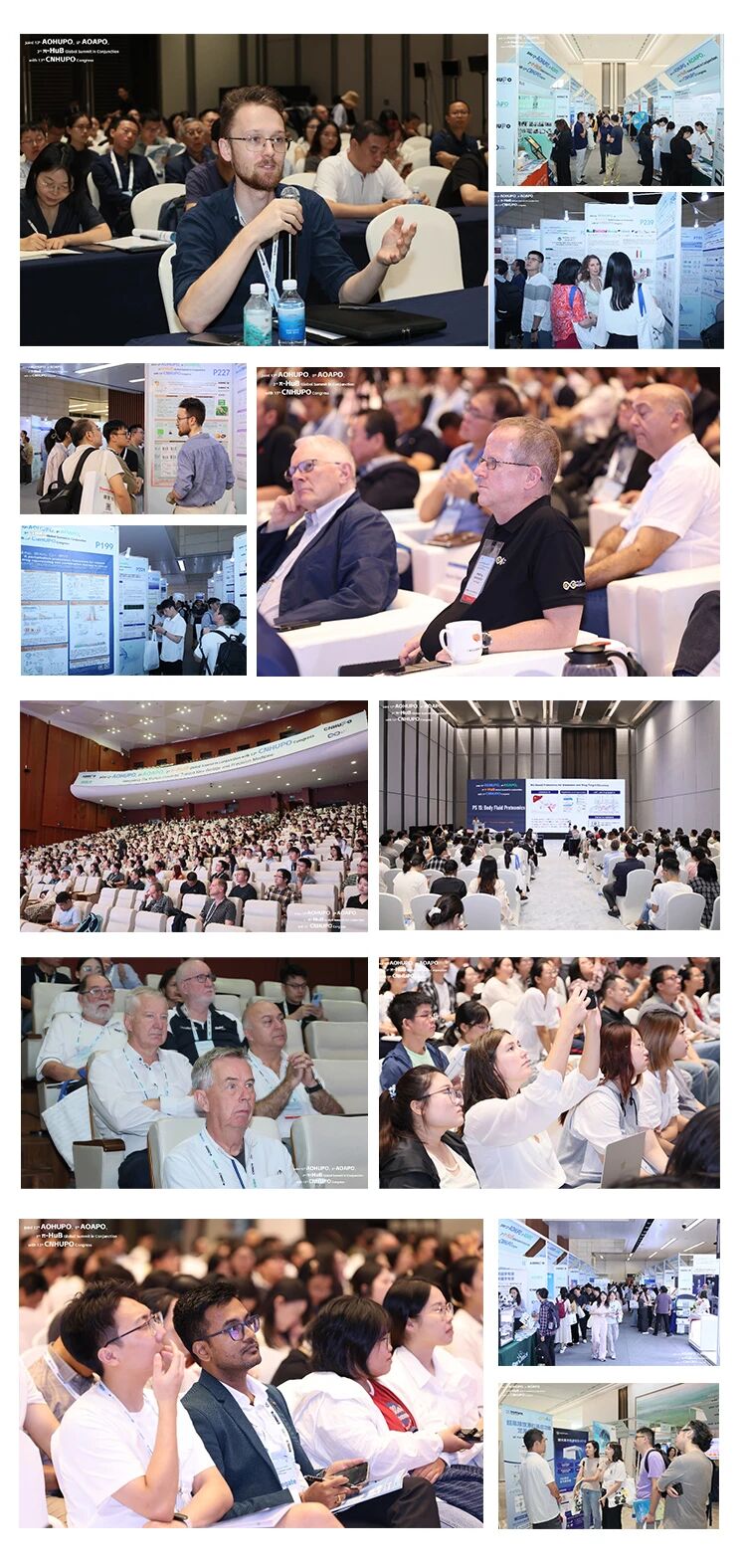
Under the theme “Exploring the Protein Universe: Toward New Biology and Precision Medicine,” the congress brought together more than 10 academicians from China and abroad, over 170 leading scientists, and more than 1,800 experts and scholars from academic organizations, universities, research institutes, and enterprises across 24 countries and regions, including the United States, Europe, Australia, and Asia, to discuss the frontiers and future of life sciences.
Grand Opening

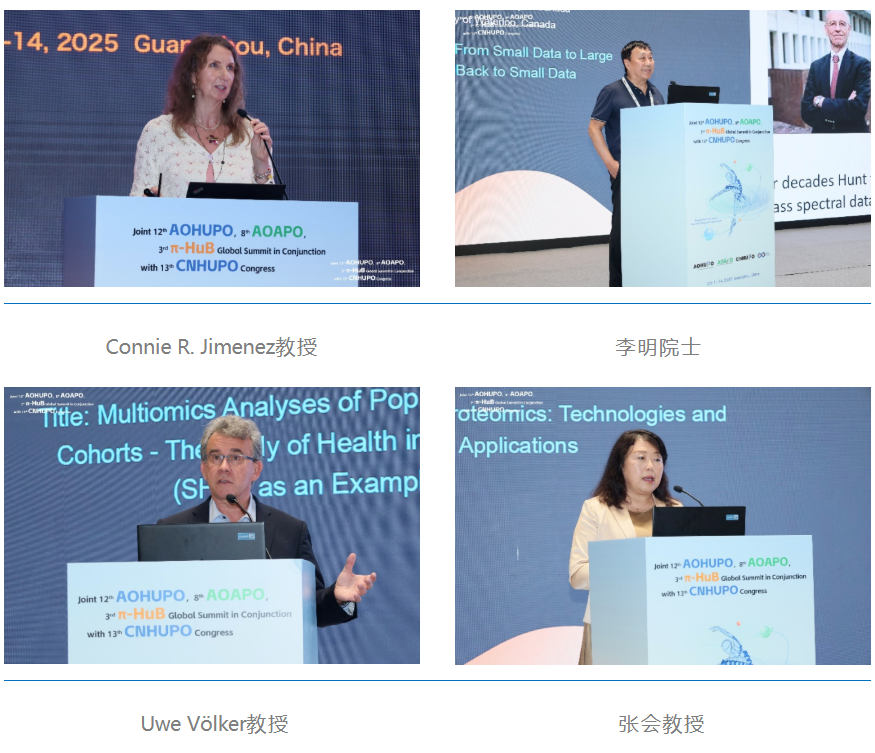
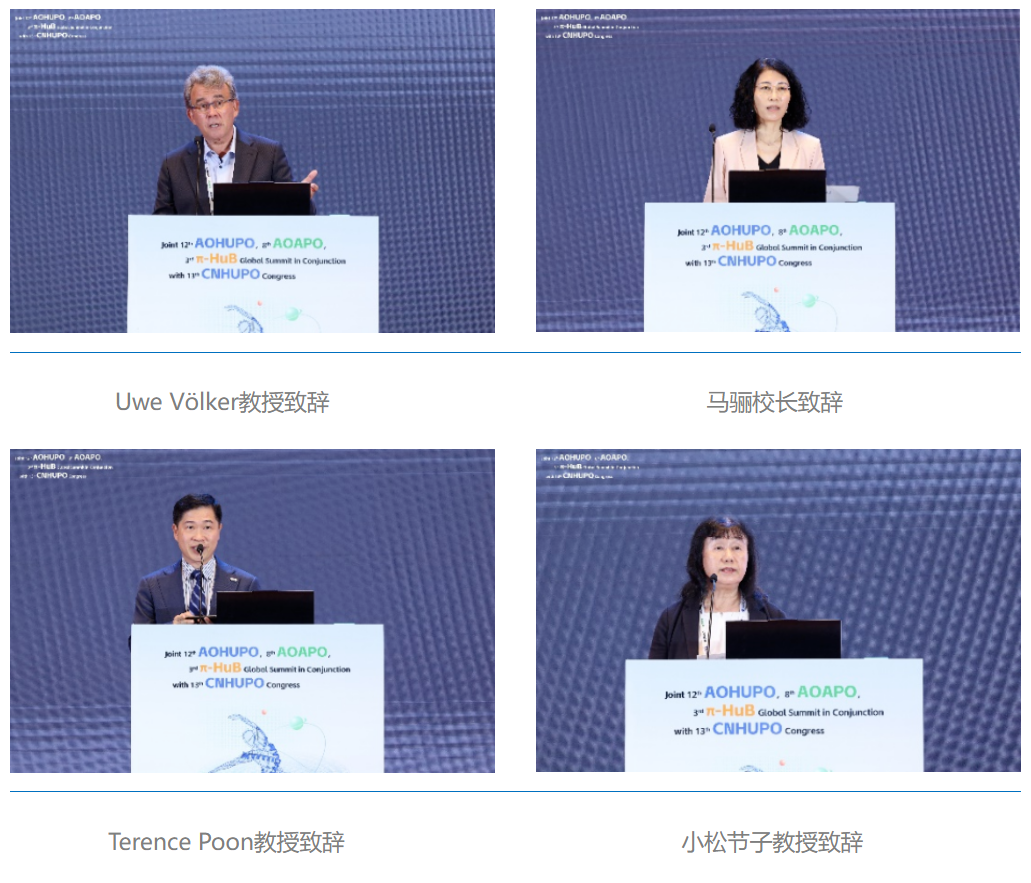
At the opening ceremony, remarks were delivered by Wang Xuecheng, Vice Chairman of the Guangdong Provincial Committee of the Chinese People’s Political Consultative Conference; Uwe Völker, President of the Human Proteome Organization (HUPO); Ma Li, President of Southern Medical University; Terence Poon, President of AOHUPO; and Setsuko Komatsu, Founder of AOAPO.

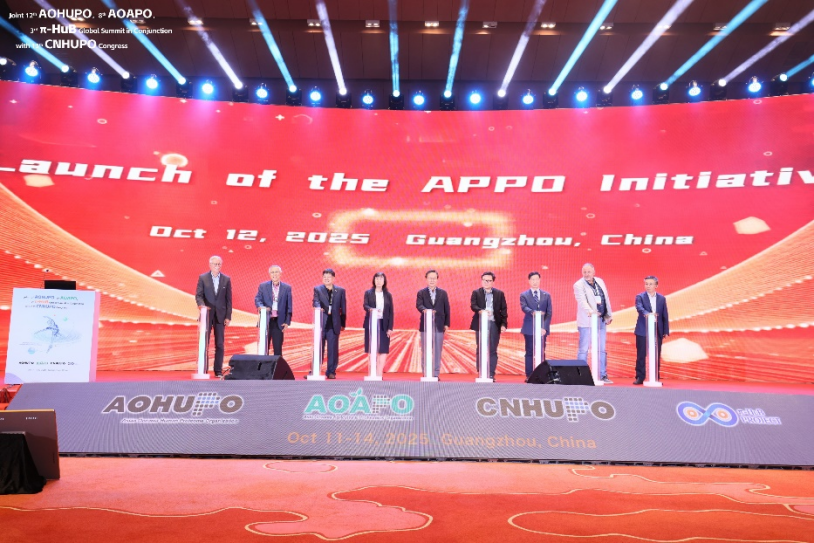
Launch Ceremony

During the opening session, nine scientists jointly proposed the establishment of the Asian‑Pacific Proteome Organization (APPO). The initiative was spearheaded by Professor Ruedi Aebersold (Chair of the π‑HuB Board of Directors, ETH Zurich, Switzerland), Professor Max Ching Ming Chung (National University of Singapore), Professor He Fuchu (National Center for Protein Sciences, Beijing), Professor Setsuko Komatsu (Founder of AOAPO, Fukui University of Technology, Japan), Professor Ho Jeong Kwon (Yonsei University, Republic of Korea), Professor Teck Yew Low (Sunway University, Malaysia), Professor Terence Poon (President of AOHUPO, University of Macau), Professor Anthony Purcell (Monash University, Australia), and Professor Xu Ping (President of CNHUPO, National Center for Protein Sciences, Beijing). APPO aims to advance pan‑species proteome research, integrate the holistic “human‑animal‑environment” nexus, and establish a new paradigm of proteomics‑driven One‑Health governance.

Keynote Presentations

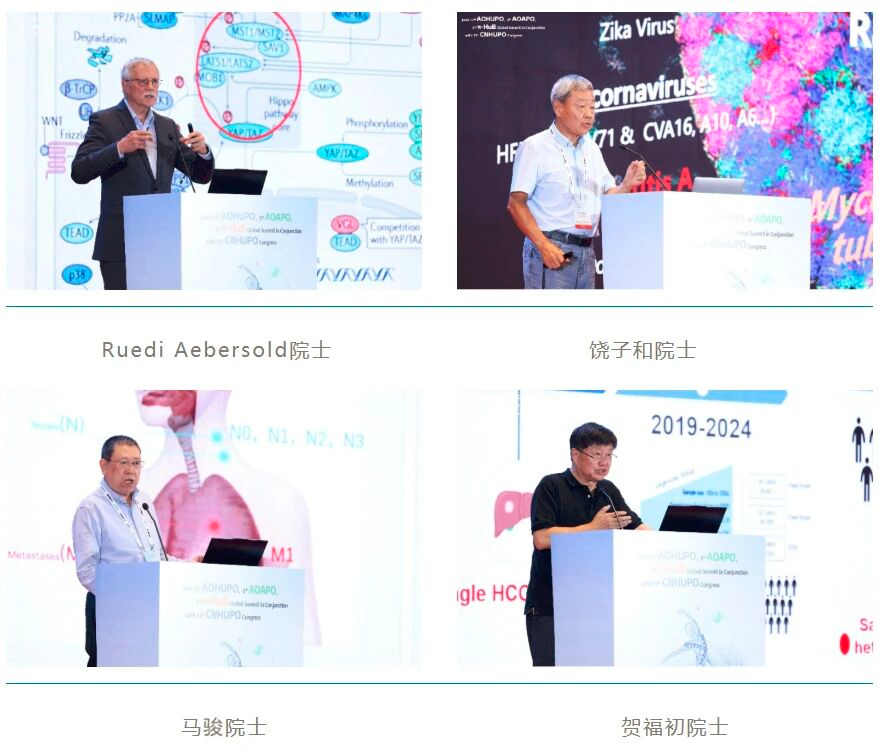
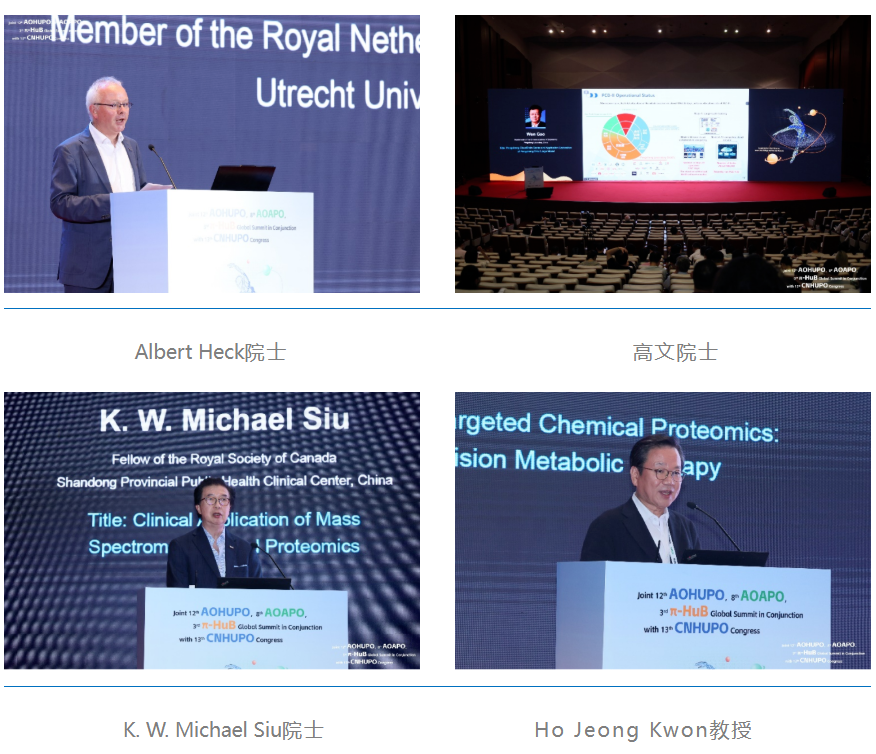
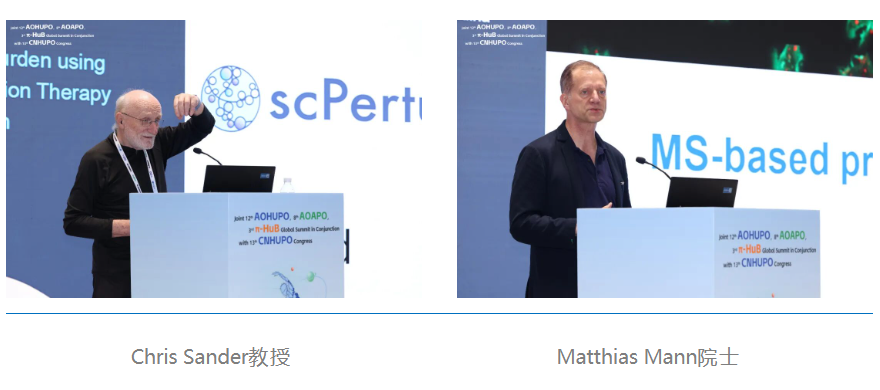
The congress featured over 200 thematic presentations across 20 core topics, including novel proteomic technologies, native mass spectrometry and protein structure analysis, and single‑cell proteomics. Keynote lectures highlighted global cutting‑edge advances, core technological breakthroughs, and interdisciplinary applications in proteomics. Distinguished invited speakers included Academicians Rao Zihe, He Fuchu, Gao Wen, and Ma Jun; European Molecular Biology Organization Member Ruedi Aebersold; Members of the German National Academy of Sciences and the U.S. National Academy of Sciences Matthias Mann; Member of the Royal Netherlands Academy of Arts and Sciences Albert Heck; and Fellows of the Royal Society of Canada Ming Li and K. W. Michael Siu. These world‑renowned experts shared their latest findings spanning disruptive technology development, fundamental research, precision medicine, and clinical translation. This high‑level scientific gathering not only showcased the current landscape of proteomics but also laid a solid foundation for continued breakthroughs in the life sciences.

Symposia and Exchange

Across 22 parallel sessions, leading experts delivered cutting‑edge insights while attendees engaged in focused listening and active discussion, fully immersed in this scientific feast. More than 300 poster presentations and over 50 exhibition booths attracted a steady stream of visitors, fostering academic exchange and sparking new collaborations.

Announcement

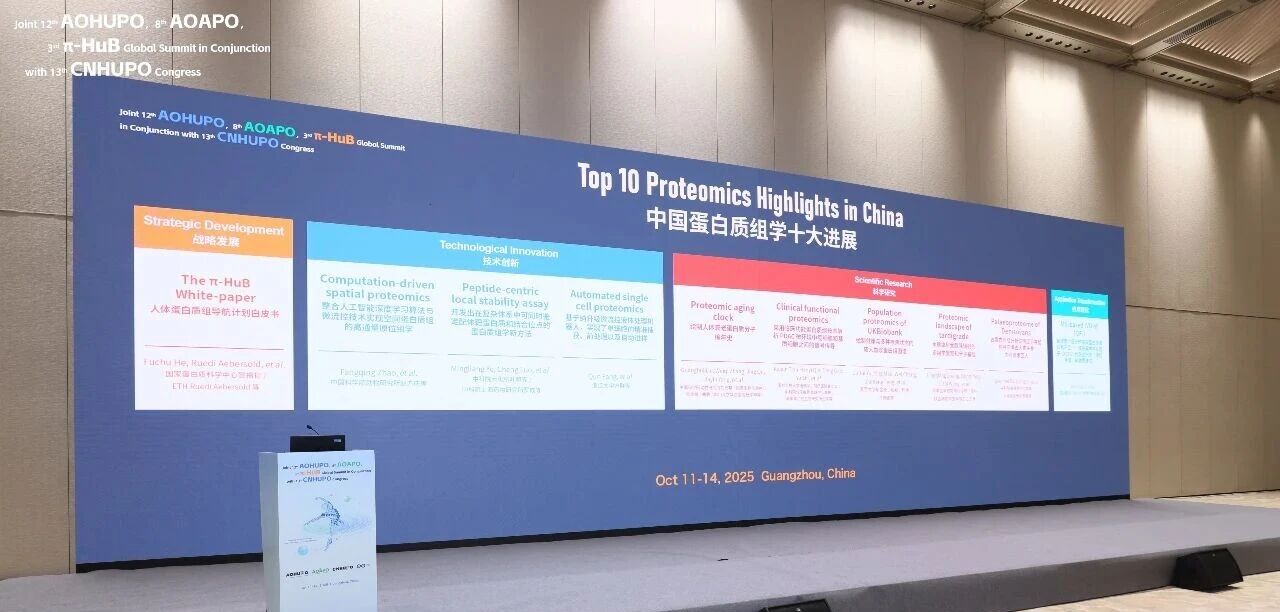
At the closing ceremony, CNHUPO officially released the inaugural “Top Ten Advances in Chinese Proteomics.” These advances were selected from nearly 200 achievements generated between August 2023 and July 2025, covering strategic development, technological innovation, fundamental research, and translational applications.

The selected advances include:

• The White Paper on the π‑HuB Program;
• High‑throughput in situ spatial proteomics achieved by integrating artificial intelligence deep‑learning algorithms with microfluidic technology;
• A novel proteomic method enabling simultaneous identification of ligand‑target proteins and binding sites in complex systems;
• A molecular chronology of protein changes during human aging;
• Clinical functional proteomics‑based elucidation of signaling between cancer cells and stromal cells in the PDAC microenvironment;
• Proteomic atlases of adult human plasma in health and various disease states;
• Multi‑omics landscape and molecular basis of extreme radiation tolerance in tardigrades;
• The world’s first low‑resolution clinical protein mass spectrometry diagnostic product—the Insulin‑like Growth Factor I (IGF‑I) Assay Kit (Liquid Chromatography–Tandem Mass Spectrometry);
• Ancient proteomic analysis demonstrating that the nearly complete Harbin archaic human cranium belongs to a Denisovan;
• Nano‑liter‑scale microfluidic liquid‑handling robotics enabling precise single‑cell capture, sample preparation, and automated injection.

Awards

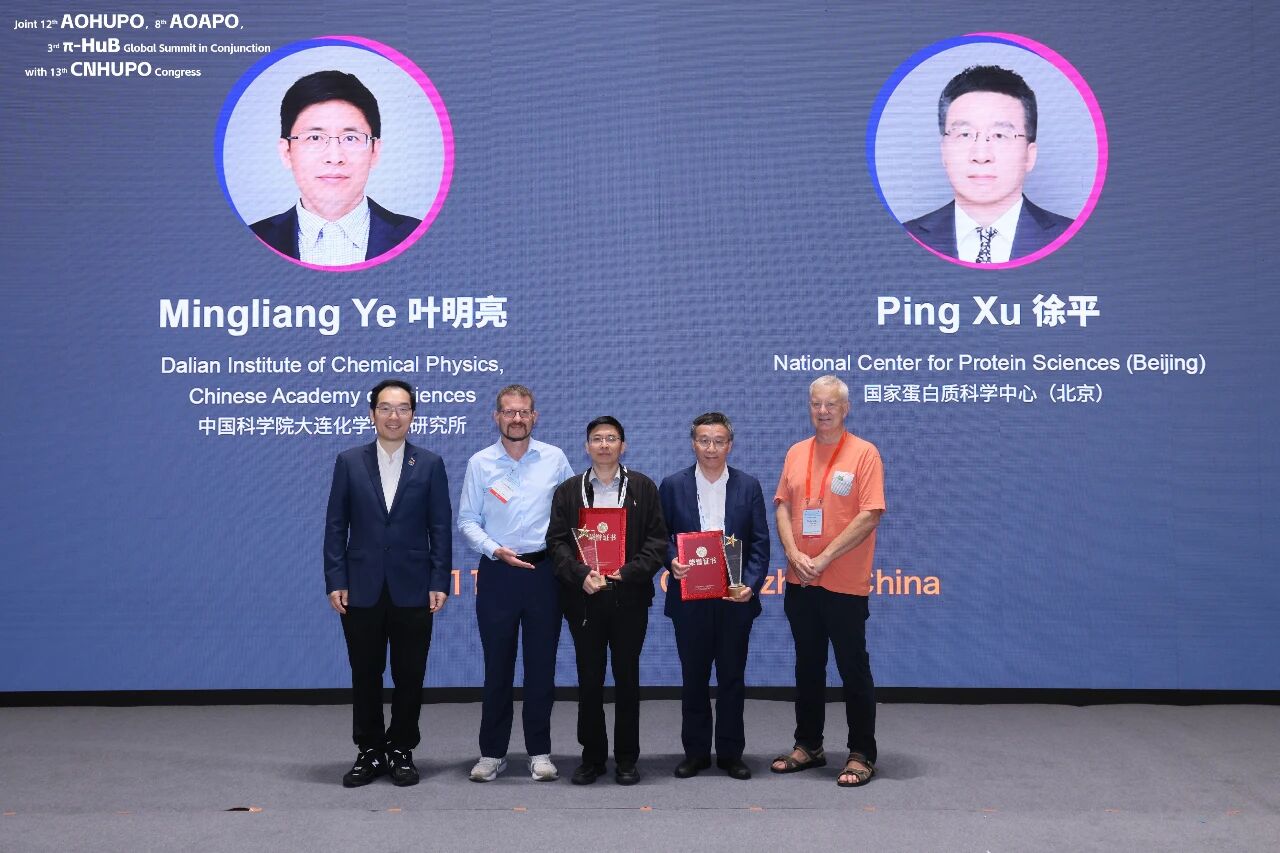
CNHUPO Innovation Award
Ye Mingliang, Xu Ping

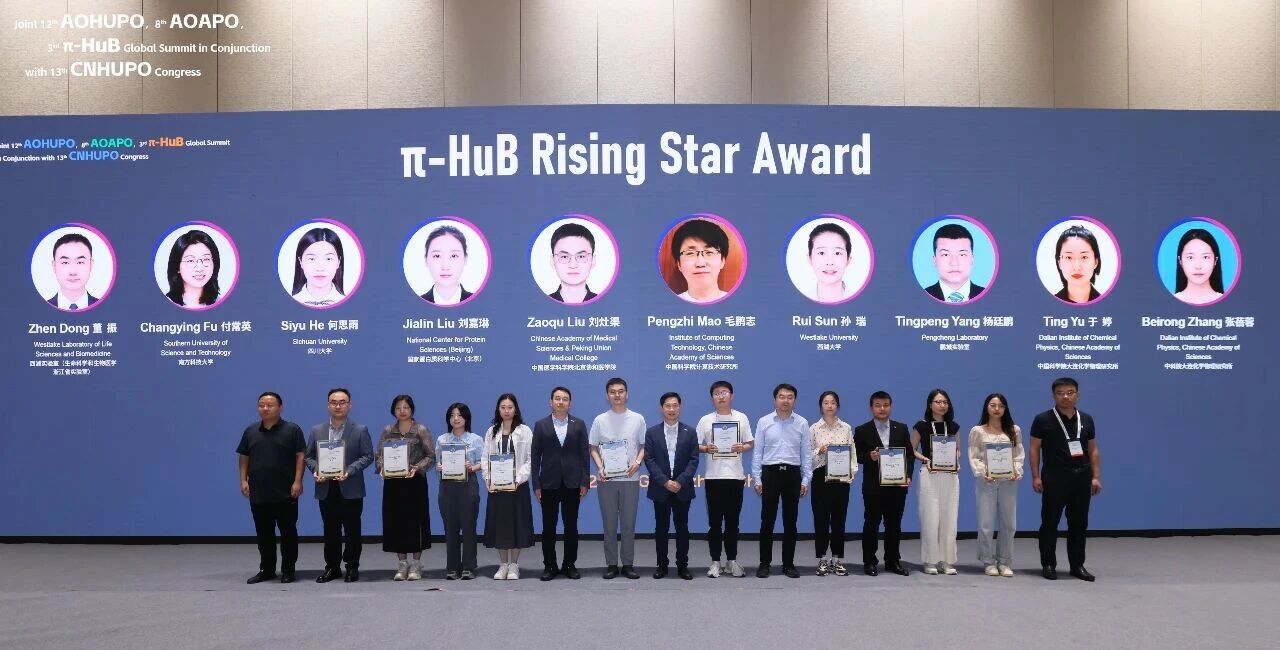
π‑HuB Rising Star Award
Dong Zhen, Fu Changying, He Siyu, Liu Jialin, Liu Zaoqu, Mao Pengzhi, Sun Rui, Yang Tingpeng, Yu Ting, Zhang Beirong

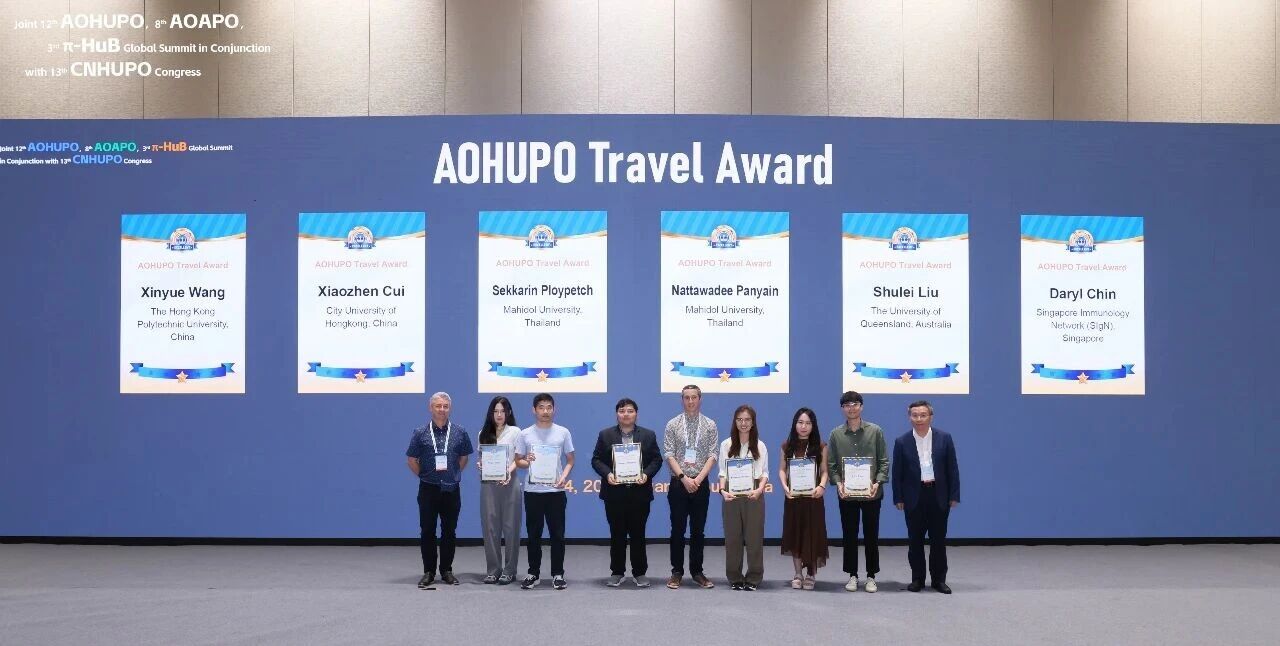
AOHUPO Travel Award

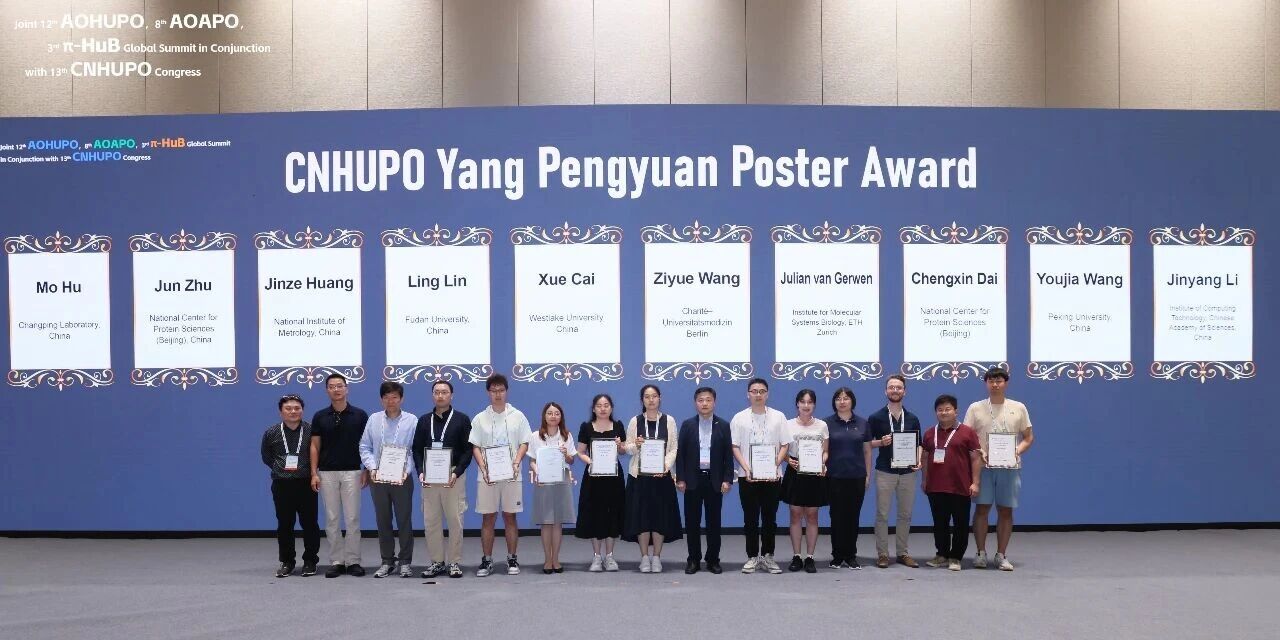
“Yang Pengyuan” Outstanding Poster Award
Hu Mo, Zhu Jun, Huang Jinze, Lin Ling, Cai Xue, Wang Ziyue, Julian van Gerwen, Dai Chengxin, Wang Youjia, Li Jinyang

Next?

Changde (Hunan), Hangzhou (Zhejiang), or Zhengzhou (Henan)—

where would you like to attend the next proteomics congress?

We look forward to seeing everyone again at the next congress!