
Ronggui Hu
委员 Member
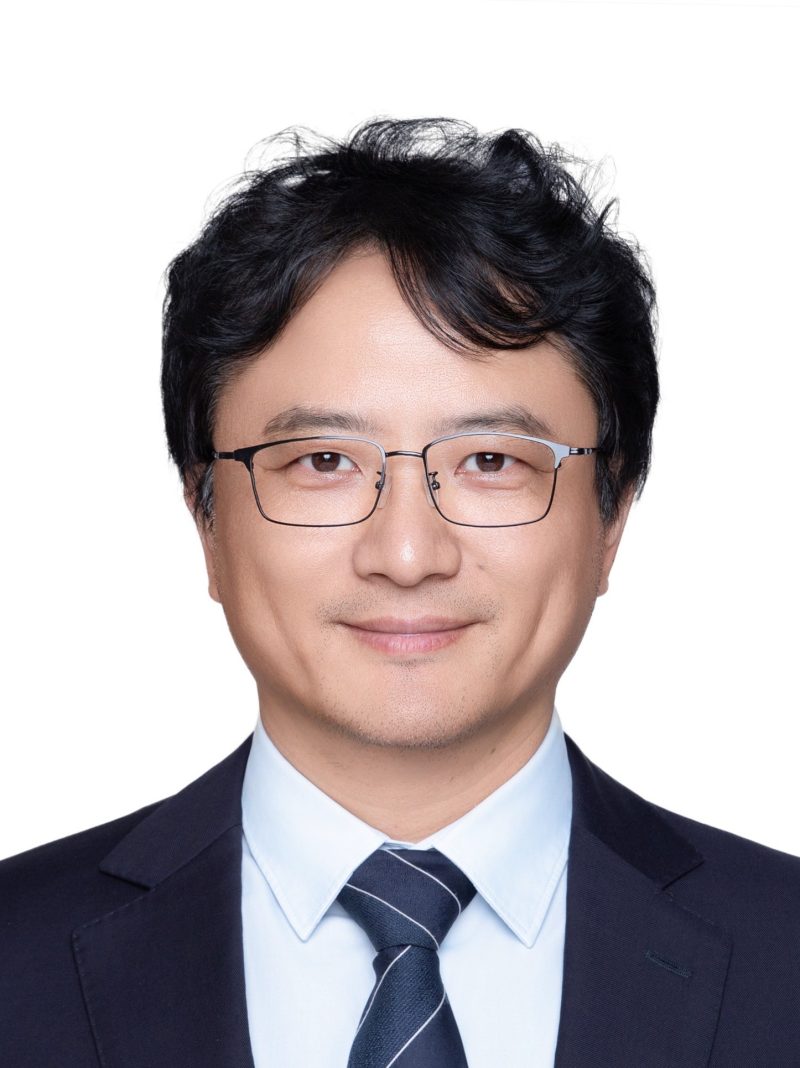
Professor Ronggui Hu has long been dedicated to exploring the mechanisms of major disease occurrence and development by analyzing protein homeostasis networks and molecular signaling pathways. In recent years, part of the research group has gradually shifted to exploring the molecular neurobiological basis of neurodevelopmental psychiatric disorders such as autism spectrum disorders in children. The group has established disease models including patient-derived induced pluripotent stem cells, organoids, mice, and non-human primates, and applied ex vivo brain slices, optogenetics and neuronal imaging, in vivo electrophysiology combined with genetic screening and spatial multi-omics to deeply investigate the mechanisms of neurodevelopmental psychiatric disorders such as autism spectrum disorders (ASD) and central precocious puberty (CPP) in children at molecular, cellular, neural circuit, and behavioral levels. The group previously discovered that abnormalities in retinoic acid metabolism and signaling pathways lead to multiple subtypes of autism spectrum disorders (ASD) in children. Current research directions include: molecular neurobiological basis of autism spectrum disorders and emotional behavioral abnormalities such as anxiety and depression in children, neural system and peripheral organ interactions and comorbidity mechanisms, disease genetics and risk factor identification, development of biosensors for target molecular homeostasis, in vivo imaging tools, and novel disease-targeted intervention strategies.
1. Hao, Z., et al., Hu R.*. Maternal exposure to triclosan constitutes a yet unrecognized risk factor for autism spectrum disorders. Cell Res 29, 866–869 (2019).
2. Xu X, et al, Hu R*. Excessive UBE3A dosage impairs retinoic acid signaling and synaptic plasticity in autism spectrum disorders. Cell Res. 2018