Westlake Symposium for AI Proteomics and Virtual Cell

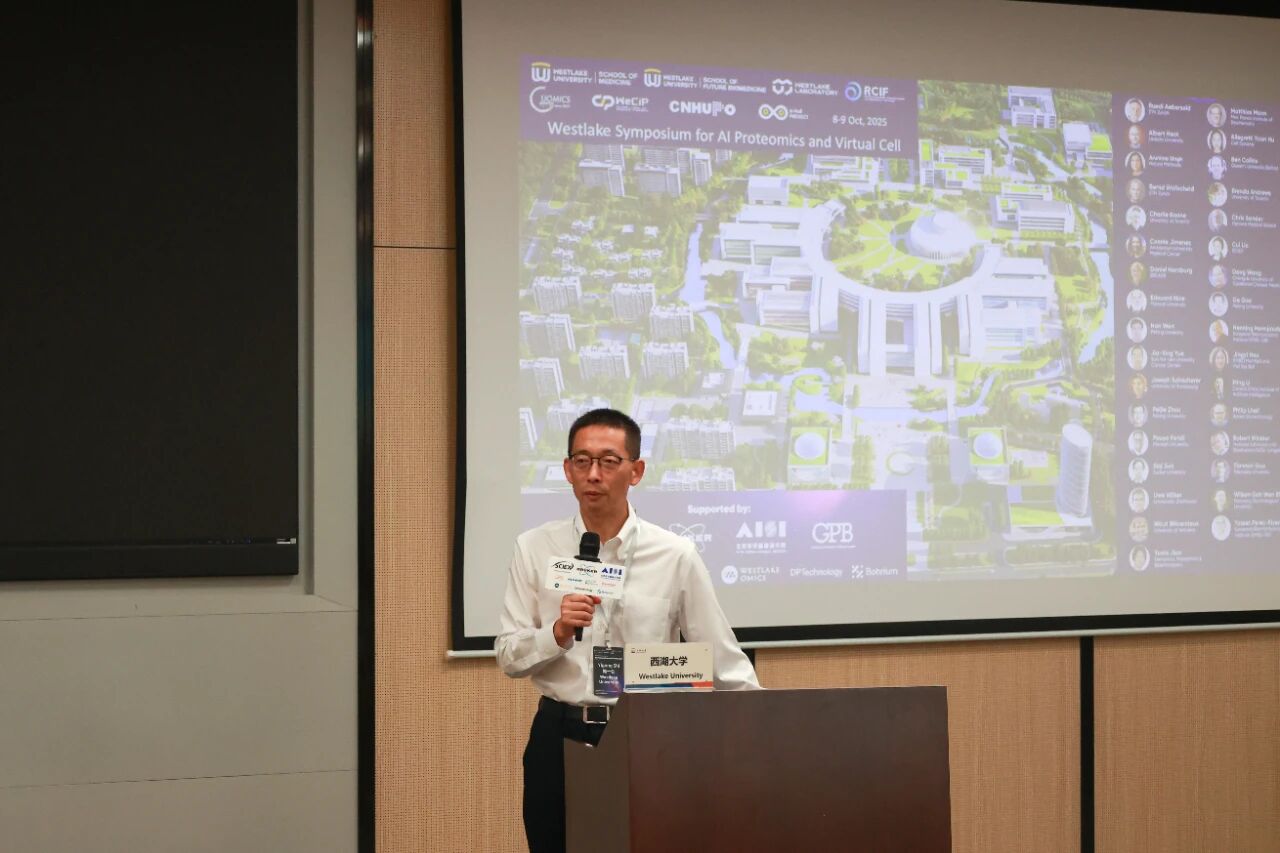
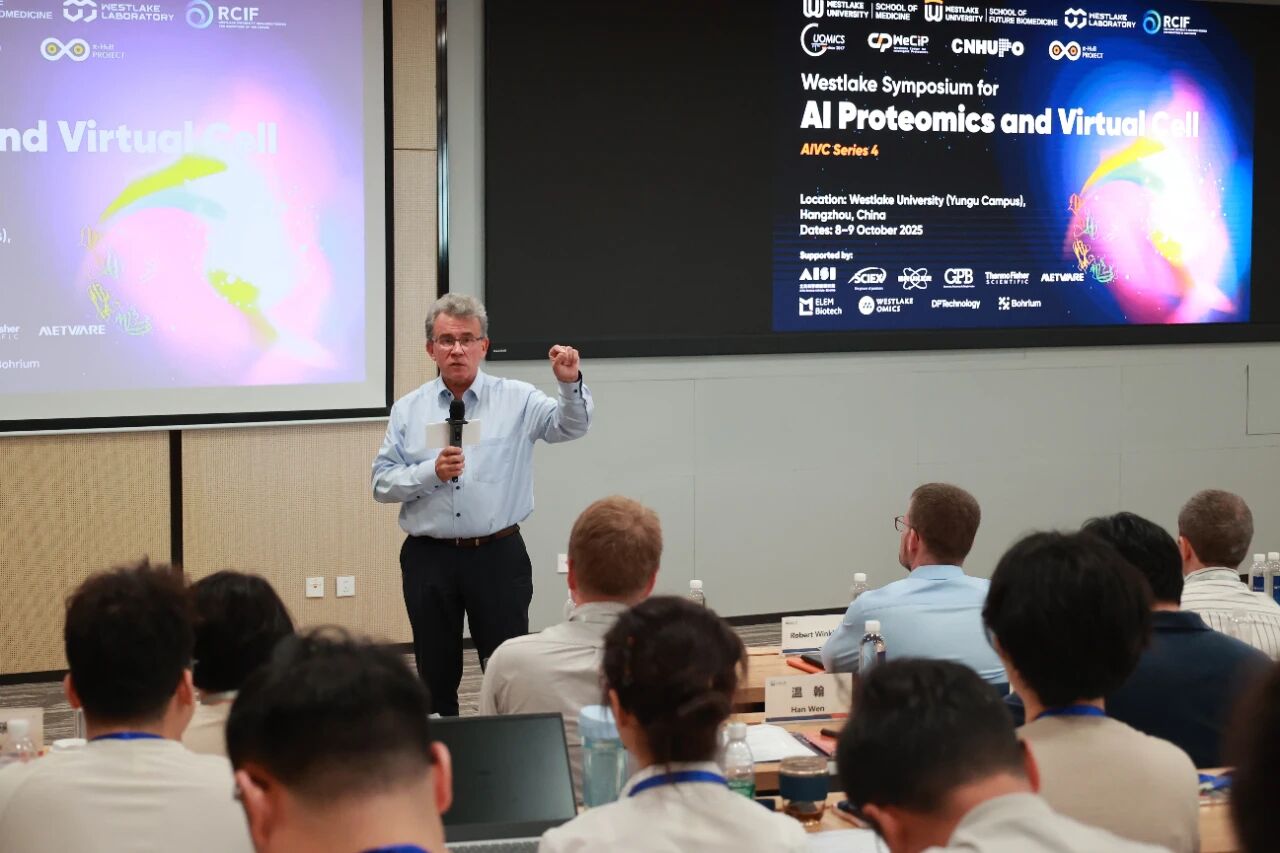
From October 8 to 9, 2025, the Westlake Symposium for AI Proteomics and Virtual Cell, hosted by the School of Medicine, Westlake University, was successfully held in Hangzhou. The symposium brought together over thirty leading scholars from China and abroad to explore cutting-edge breakthroughs in AI-empowered life sciences. The conference highlights centered on two frontier themes:

AI Proteomics: Innovative applications of deep learning and machine learning in mass spectrometry data analysis, protein identification, and functional prediction, featuring the AI Proteomics Competition (AIPC), an international algorithm challenge.

AI Virtual Cell: Advances in integrating spatial and temporal multi-omics data for cell modeling, driving digital decoding and predictive understanding of biological systems.

Nearly 300 researchers from the following universities, research institutions, and medical centers participated in the symposium:

Universities:
Tsinghua University, Peking University, Fudan University, Shanghai Jiao Tong University, Zhejiang University, University of Science and Technology of China, Nanjing University, Sun Yat-sen University, Wuhan University, Nankai University, Tianjin University, The University of Hong Kong, The Chinese University of Hong Kong, The Hong Kong University of Science and Technology, Imperial College London, University of Oxford, Harvard Medical School, The Hong Kong Polytechnic University, Southern University of Science and Technology, Xi’an Jiaotong University, East China University of Science and Technology, China Agricultural University, China Pharmaceutical University, Peking Union Medical College, Capital Medical University, Southern Medical University, Southeast University, Sichuan University, Shandong University, Chongqing University, Xiamen University, Hunan University, Zhejiang University of Technology, Zhejiang Chinese Medical University, Fujian University of Traditional Chinese Medicine, Zhejiang Sci-Tech University, Zhejiang A&F University, Yangzhou University, Wannan Medical College, Qingdao University of Science and Technology, Shenyang Pharmaceutical University, University of Macau, City University of Hong Kong, Xi’an Jiaotong-Liverpool University, Fourth Military Medical University, Naval Medical University (Second Military Medical University), Air Force Medical University, Northwestern Polytechnical University, The Islamia University of Bahawalpur (Pakistan), and Utrecht University (Netherlands).

Research Institutions and Medical Centers:
Academy of Military Medical Sciences, National Institute of Biological Sciences, Beijing (NIBS), Shanghai Institute of Materia Medica, Chinese Academy of Sciences, Institute of Genetics and Developmental Biology, Chinese Academy of Sciences, Institute of Zoology, Chinese Academy of Sciences, Dalian Institute of Chemical Physics, Chinese Academy of Sciences, National Center for Protein Sciences (Beijing), Hangzhou Institute of Medicine, Chinese Academy of Sciences, Hangzhou Institute for Advanced Study, University of Chinese Academy of Sciences, Pengcheng Laboratory (PCL), Westlake Laboratory of Life Sciences and Biomedicine, Zhejiang Academy of Agricultural Sciences, Peking University Third Hospital, Hunan Children’s Hospital, Ruijin Hospital, Hangzhou First People’s Hospital, Chongqing People’s Hospital, Zhongshan Ophthalmic Center, Sun Yat-sen University, Zhejiang Cancer Hospital, Shenzhen Third People’s Hospital, Shanghai Sixth People’s Hospital, Quadram Institute, Ruijin Hospital Affiliated to Shanghai Jiao Tong University School of Medicine, and Partner Institute for Computational Biology (PICB).

Representatives from corporations including L’Oréal, Huawei, Nanomics Biotech, and Absea, as well as members of the media, also attended the symposium.

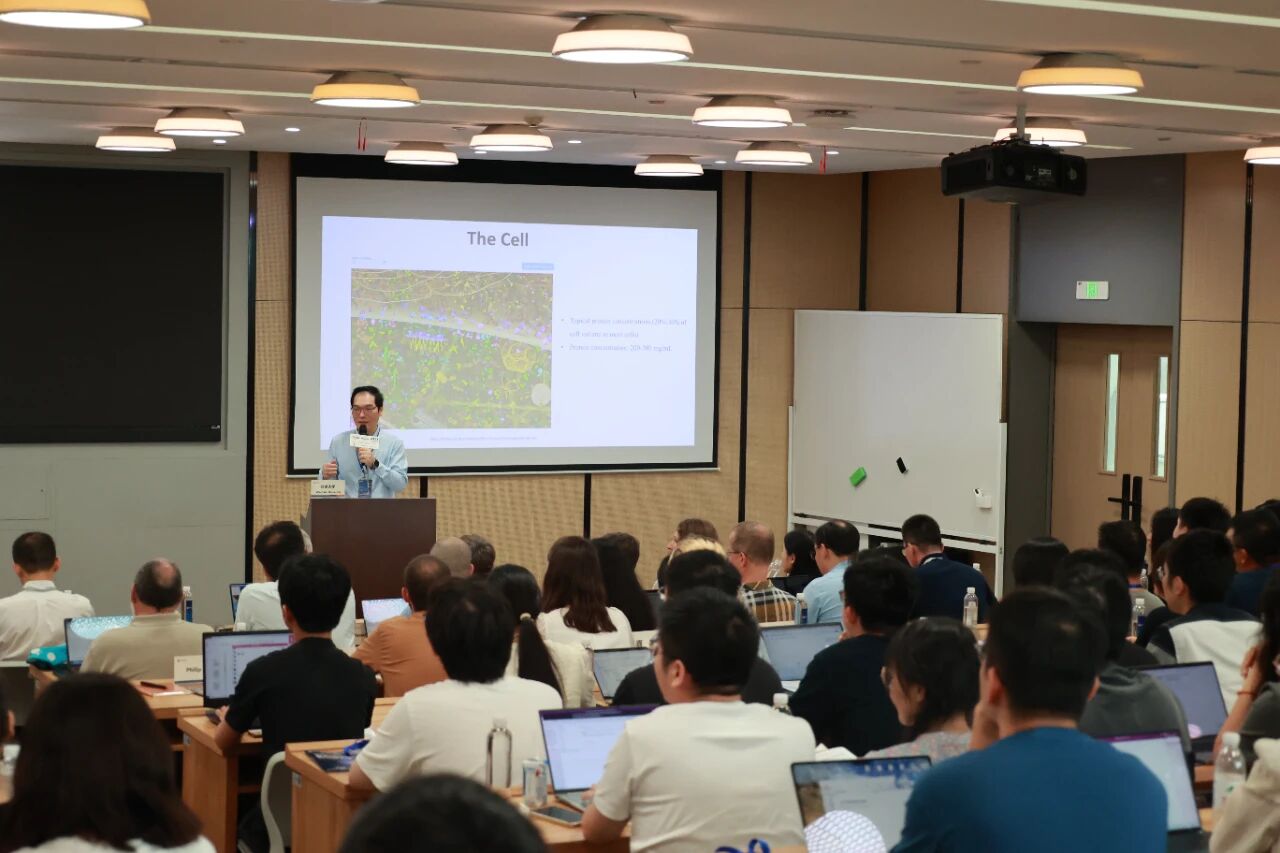
The participating scholars delivered insightful presentations centered on the two frontier themes of AI Proteomics and AI Virtual Cell, covering a wide range of fields including biology, artificial intelligence, and data science. The symposium effectively advanced the deep integration and cross-fertilization of AI and the life sciences. Attendees engaged actively with the speakers, fostering a vibrant and intellectually stimulating academic atmosphere throughout the event.

Opening

At the opening of the symposium, President Yigong Shi first extended a warm welcome to all the guests and provided a brief introduction to Westlake University. Located in the picturesque city of Hangzhou, Westlake University is a new type of research university, a first in the history of modern China. It enjoys robust support from both public and private funding and serves as a vanguard in the reform of the higher education system in China. With its predecessor, the Westlake Institute for Advanced Study, established in 2016, the University is committed to cultivating top-tier talent, achieving breakthroughs in fundamental research and innovation in cutting-edge technologies, and advancing human development through science and technology. President Shi also specifically noted Hangzhou’s remarkable progress in various fields of artificial intelligence, particularly its outstanding advancements in the life sciences.

Session 1: Proteomcis

Professor Tiannan Guo
Westlake University
AI proteomics, virtual cells, and AI proteomics competition (AIPC)

Professor Tiannan Guo provided an overview of recent advances in the Artificial Intelligence Virtual Cell (AIVC) initiative. He systematically reviewed key international collaborations, major breakthroughs in spatiotemporal proteomics, and the WAY project, elucidating both the significance of the virtual cell vision and the challenges that remain to be addressed. He proposed three core pillars for the AIVC framework—*a priori* knowledge, static structure, and dynamic states—all underpinned by closed‑loop active learning. Constructing such a virtual cell still demands advanced AI technologies. Just as modern generative AI can restore blurry or incomplete images to clarity and even transform static pictures into dynamic videos, the goal of AIVC is to reconstruct the full dynamic behavior of a cell from incomplete omics data. His team has accumulated large‑scale spatiotemporal proteomic datasets and, building on tissue expansion technology, independently developed the FAXP platform, which achieves internationally leading spatial resolution in proteomics. This technology, through physical tissue expansion (enlarging individual cells by approximately 100‑fold in volume), enables the quantitative identification of over 3,500 proteins from a single cell. The team also proposed the PMMP paradigm (Perturbation–Measurement–Modeling–Prediction) as a systematic workflow for predictive biology, offering a proof‑of‑concept for constructing a proteome‑centric virtual cell. Under this framework, the team has generated extensive time‑resolved perturbational proteomic datasets (including ProteinTalks v1.0–4.0) covering pan‑cancer cell lines treated with thousands of compounds. Finally, in their perspective paper entitled WAY (currently under revision at *Nature*), they propose using a “virtual yeast” as a practical blueprint to experimentally validate the scalability of the AIVC concept before extending it to human systems.

Prof. Ruedi Aebersold
ETH Zurich
The adaptable, modular proteome specifies AIVC

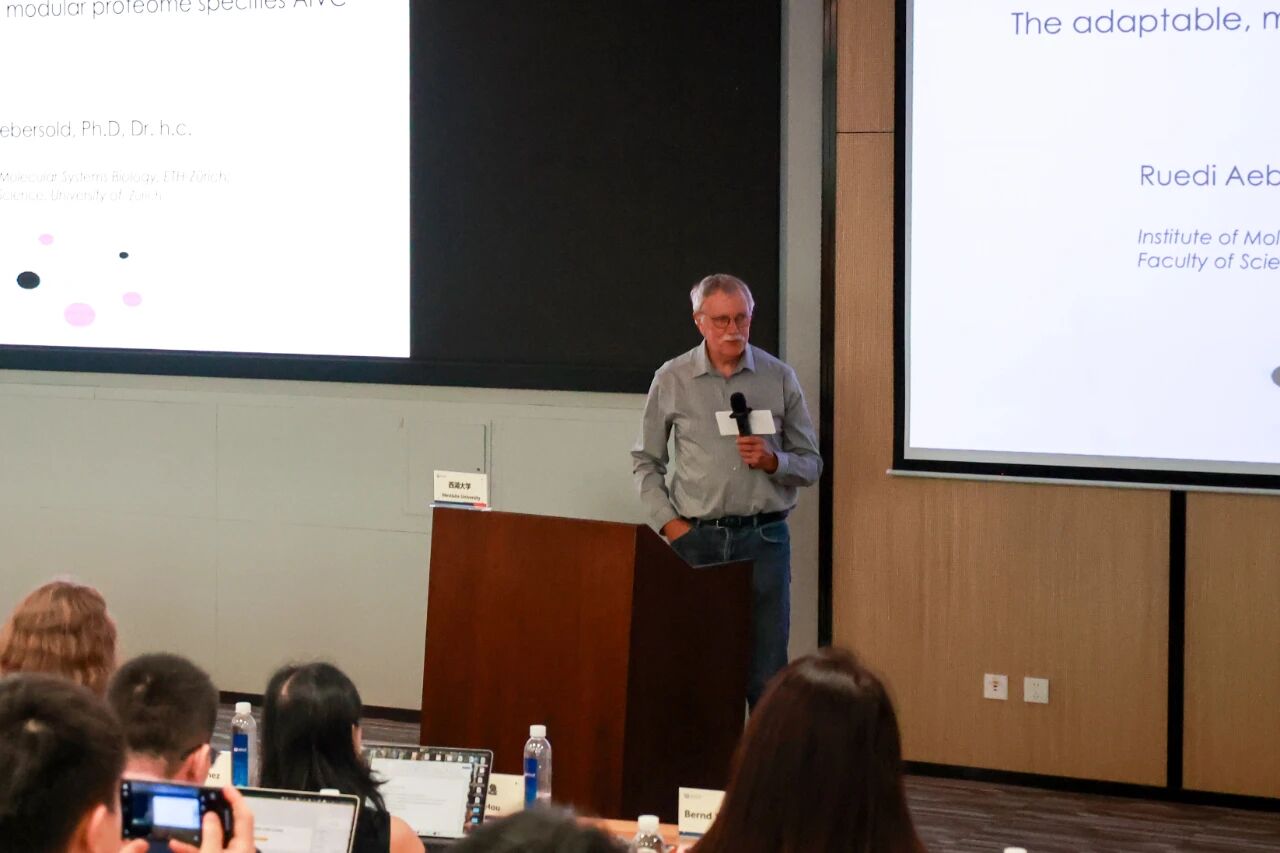
In his presentation, Prof. Ruedi Aebersold discussed the π‑HuB Project, which aims to digitally map the proteome “space” at the tissue and individual levels. The construction of the π‑HuB human navigator will advance mechanistic understanding and prediction of diseases. Addressing the high failure rate of clinical trials, he argued that the core focus should be on mechanistic exploration of biological models rather than on pattern recognition alone. He proposed an AI‑empowered virtual cell (AIVC) prototype based on *Saccharomyces cerevisiae*: by integrating genomic and proteomic data, high‑density multi‑omics data can be acquired in yeast, covering proteins, proteoforms, post‑translational modifications, interactions, structures, activities, and RNA–protein correlations.

The cell is a “complex adaptive system” involving state modulation of multiple components, local interactions, and emergent behaviors. Case studies illustrated the coordinated fluctuations of the proteome and phosphoproteome during meiosis, as well as the mapping of variation from transcriptome to proteome to phosphoproteome. Molecular layers closer to the phenotypic distance are more likely to detect signals associated with physiological traits. Based on these insights, he proposed the following recommendations: perform systematic perturbations and time‑series measurements on the same samples; centralize or strictly coordinate data acquisition; evaluate which data types are most critical for mechanistic modeling and iteratively optimize. Yeast will serve as a testbed for AIVC, and the methodological experience gained can be extended to π‑HuB, ultimately enhancing the precision of prediction and prevention of human diseases.

Prof. Matthias Mann
Max Planck Institute of Biochemistry
Proteomics data generation strategies for robust AI models in biomedicine

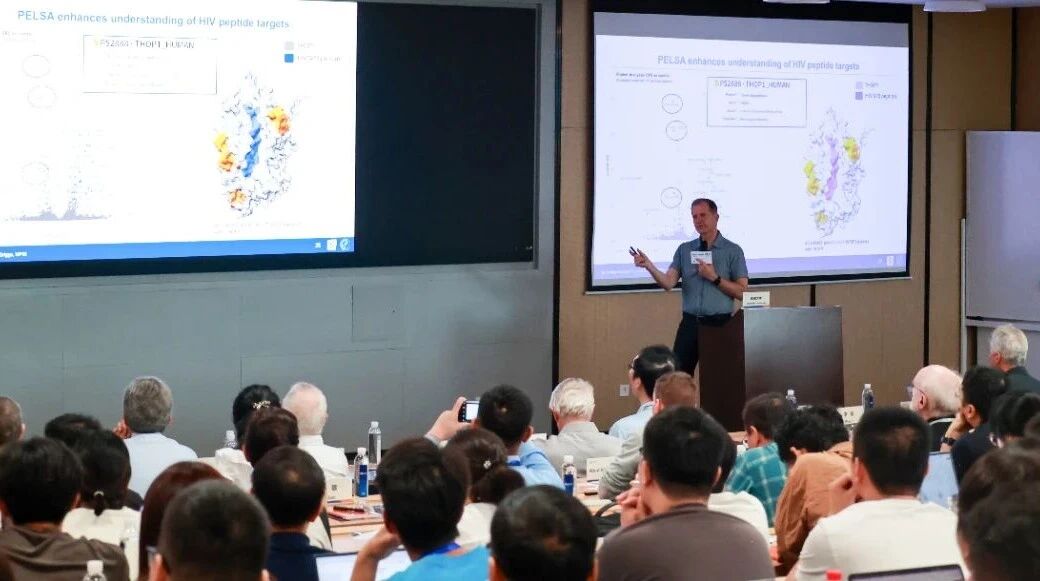
Prof. Matthias Mann presented his laboratory’s cutting‑edge work in proteomics technology development and biomedical applications. This included AI‑based peptide prediction tools such as AlphaPeptDeep and AlphaNovo, enabling direct “deep learning decoding” from spectra to sequences, training models on large‑scale datasets, and achieving high‑throughput output of 500 proteomes per day using the Evosep–Astral platform. His team also demonstrated multiple innovations, including PELSA chemical proteomics, virus–human interactome mapping, spatial single‑cell proteomics technologies, and the ADAPT‑MS machine‑learning diagnostic framework. Collectively, these advances underscore the forefront applications and immense potential of AI combined with proteomics in advancing virtual cell modeling and precision medicine.

Prof. Albert Heck
Utrecht University
Tackling a next frontier in proteomics: de novo sequencing of endogenous antibodies

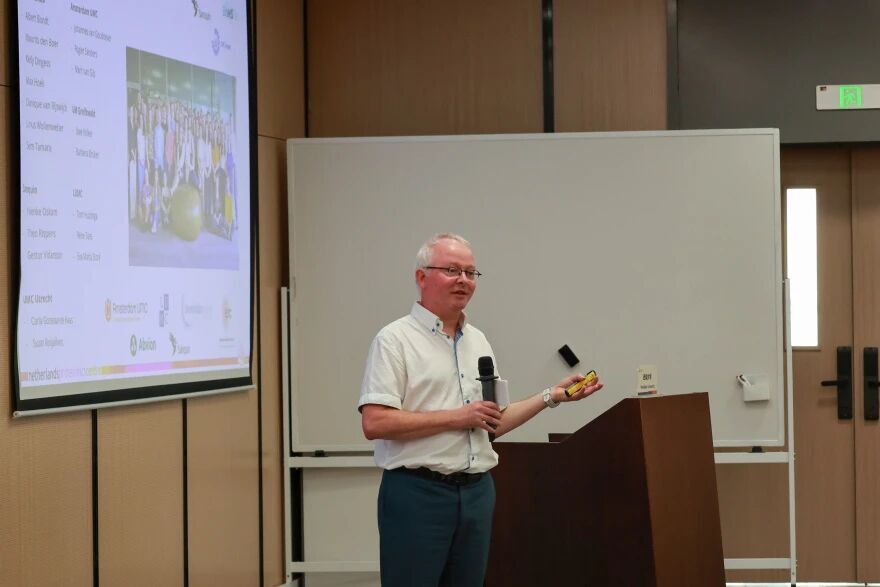
Prof. Albert J. R. Heck of Utrecht University described his team’s pioneering work in proteomics: tackling the next frontier—what do we know about antibodies?—by employing mass spectrometry for *de novo* sequencing of endogenous antibodies. This technology enables direct resolution of the unique antibody repertoires generated by individuals in response to pathogens, facilitating the identification of optimal candidate molecules for biotherapeutic development. Immunoglobulins are among the most abundant proteins in the human body and in blood, playing a key role in the humoral immune system to protect against microbial infections. By capturing blood‑derived IgG1 and employing innovative methods such as EAciD fragmentation and novel HT protease, the technique achieves high‑quality, high‑coverage antibody sequence resolution. This approach has been successfully applied to directly discover potent IgG antibodies from the plasma of COVID‑19 patients against emerging variants such as JN.1. These results demonstrate that this strategy represents a revolutionary approach for rapid discovery of potent therapeutic antibodies directly from patient samples—a goal that Prof. Heck’s spin‑off company, Abvion, is committed to realizing.

Prof. Uwe Völker
Universität Greifswald
Learning from the genomics community – An avenue to large scale collaboration projects in proteomics

In his presentation, Prof. Uwe Völker systematically outlined the advantages, progress, and challenges of population‑based omics studies. He first noted that the field now benefits from well‑defined, highly standardized workflows, strong international collaborative networks, and increasingly cost‑effective high‑throughput technologies—key drivers of advancement. Using large cohorts such as SHIP and the UK Biobank as examples, he illustrated how such studies, through integrative multi‑omics data, profoundly reveal the biological underpinnings of health and disease. Prof. Völker highlighted recent breakthroughs in plasma proteomics, noting that substantial improvements in throughput and coverage now support large‑scale cohort analyses and have unveiled numerous protein molecules associated with genetics and health. Citing cross‑laboratory validation studies, he demonstrated that even with different workflows, excellent data reproducibility and comparability can be achieved through appropriate standardization strategies. He also candidly addressed current challenges, including data sharing and privacy protection, standardization of sample preparation, and the lack of reference samples. Concluding with a forward‑looking perspective, he emphasized that in the era of “big science,” strengthening international cooperation through platforms such as HUPO, and establishing standardized frameworks and reference systems, is essential for data integration and ultimately for achieving early disease warning and precision medicine.

Session 2: Biomedicine

Prof. Charles Boone
University of Toronto
A global genetic interaction map of a human cell reveals conserved principles of genetic networks

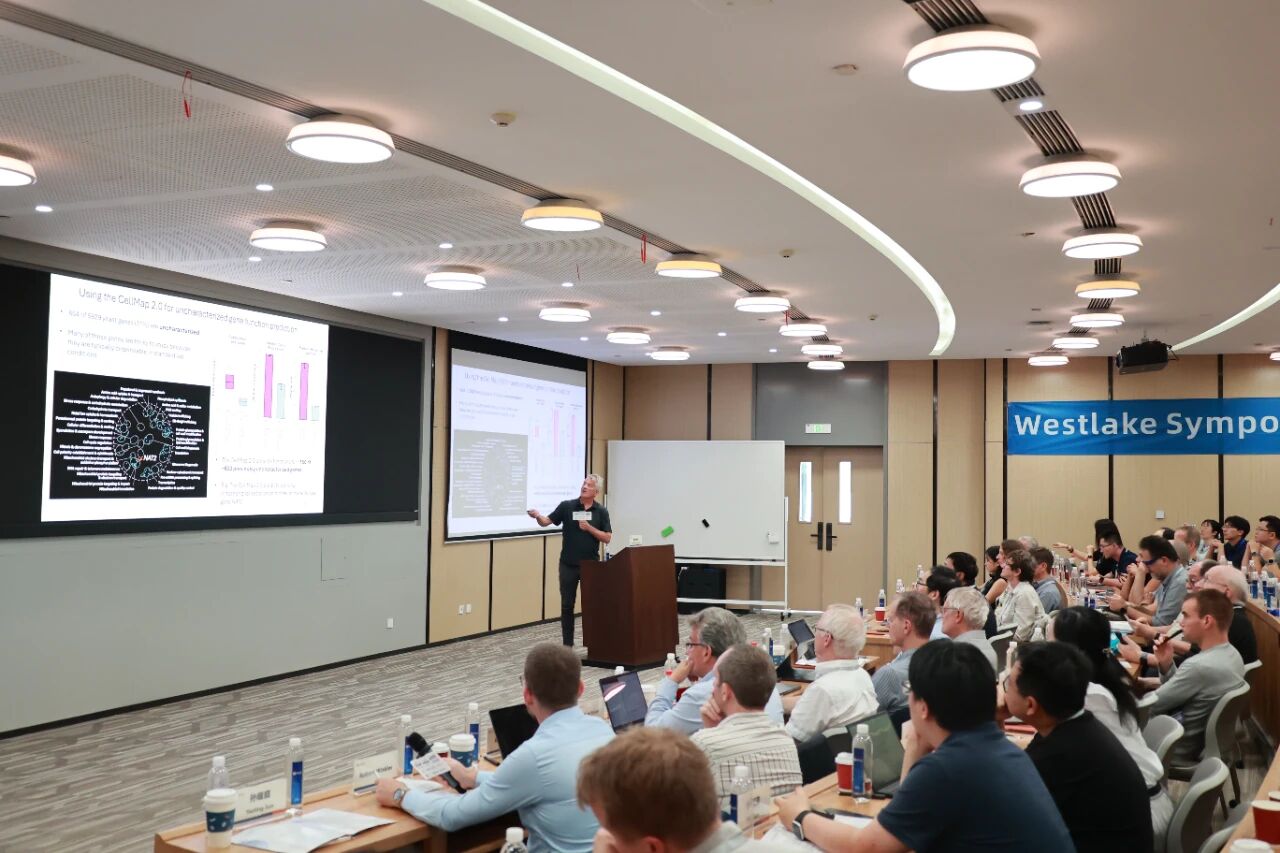
Professor Charles Boone and his team systematically elucidated the profound conservation of genetic regulatory networks from yeast to human cells. The team first constructed a comprehensive yeast genetic interaction network (CellMap) using high‑throughput technology and pioneered the use of a deep learning model (BIONIC) to integrate multi‑dimensional data, significantly enhancing network coverage and functional prediction capabilities. They successfully extended this strategy to human HAP1 cells, generating the first large‑scale human genetic interaction map. Their findings confirmed that both the macro‑organizational principles and specific interaction pathways (such as ECM9/PTAR1) are highly conserved between human and yeast networks, providing a paradigm and valuable resource for systematically dissecting human gene functions and disease mechanisms using model organisms.

Prof. Ming Li
Central China Institute of Artificial Intelligence
University of Waterloo
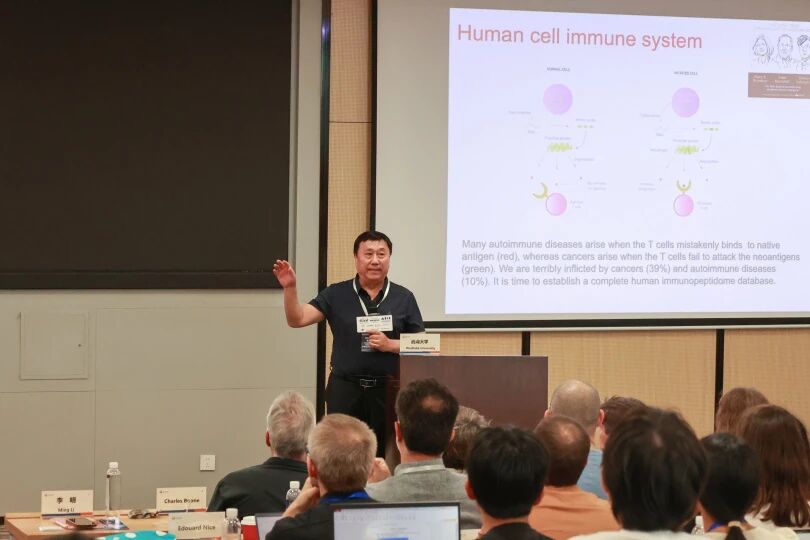
Deciphering the Human Immunopeptidome by AI

Professor Ming Li of the University of Waterloo and the Central China Institute of Artificial Intelligence delivered a presentation entitled “Deciphering the Human Immunopeptidome by AI,” introducing a novel strategy for comprehensively characterizing the immunopeptidome through mass spectrometry and deep learning. Professor Li pointed out that immune system‑related diseases such as cancer and autoimmune disorders are closely associated with imbalances in immune recognition, and that constructing a complete immunopeptidome database is essential for personalized immunotherapy. He showcased his team’s innovations in FFPE sample de‑crosslinking, non‑canonical immunopeptide identification, PTM recognition, AI‑driven peptide searching, and TCR‑pMHC binding prediction. He also outlined plans to systematically analyze the immunopeptidome using large‑scale AI models and establish a public database, thereby laying the foundation for precision immunotherapy.

Prof. Brenda Andrews
University of Toronto
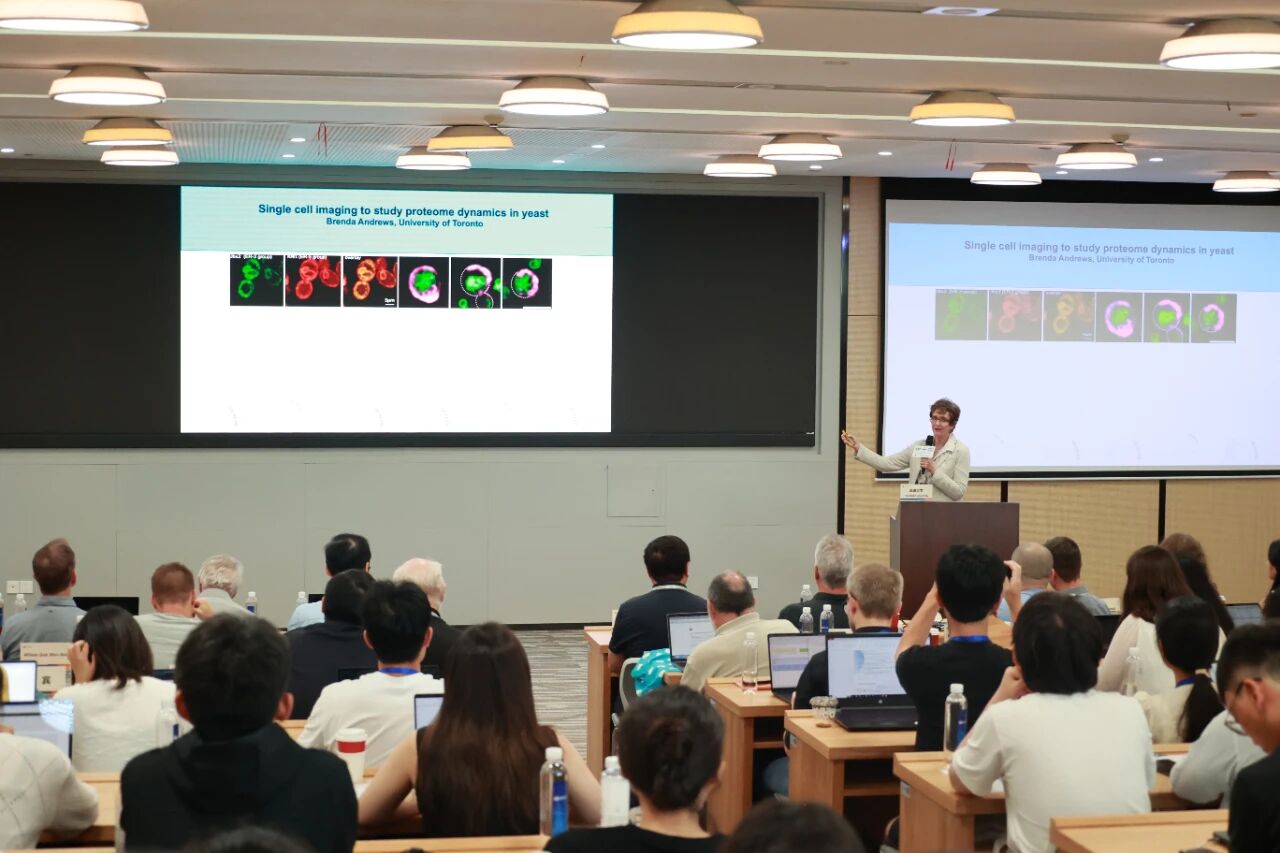
Single cell imaging to study proteome dynamics in yeast

Professor Brenda Andrews presented a high‑throughput “phenomics” platform that combines yeast synthetic genetic array (SGA) technology with automated single‑cell imaging to systematically study the dynamic collapse of cellular structures. The study demonstrated that when essential gene functions are perturbed, structural collapse is not a random event but proceeds through rapid cascading effects, exhibiting exponential acceleration. The trajectory of collapse is closely related to the initial biological process perturbed; for example, inhibiting vesicle trafficking triggers acute and widespread structural loss. The extent and rate of this structural collapse efficiently predict eventual cell death. The model further revealed that cells undergoing natural aging also experience a similar exponential collapse, which is often triggered by early mitochondrial dysfunction.

Prof. Joseph Schacherer
University of Strasbourg
A deep exploration of the genotype‑phenotype relationship through the lens of 1,086 near telomere‑to‑telomere yeast genomes

Professor Joseph Schacherer and his team performed near telomere‑to‑telomere (T2T) whole‑genome sequencing on 1,086 yeast strains, deeply revealing the complex relationships between genotype and phenotype. They constructed a comprehensive yeast genetic variation map encompassing SNPs, InDels, and structural variants (SVs). By integrating multi‑omics phenotypic data including transcriptomic and proteomic profiles, they found that incorporating SVs and InDels increased the heritability explained by their models by 15%. Their analyses indicated that SVs are not only more frequently associated with traits and exhibit greater pleiotropy, but also play a more central role in regulating complex organismal‑level traits (such as growth rate) compared to molecular traits, with a genetic basis tending toward a “polygenic, small‑effect” mode. This work highlights the critical value of structural variants in resolving the “missing heritability” of complex traits, offering new insights for research in related fields.

Prof. Connie Jimenez
Amsterdam University Medical Center
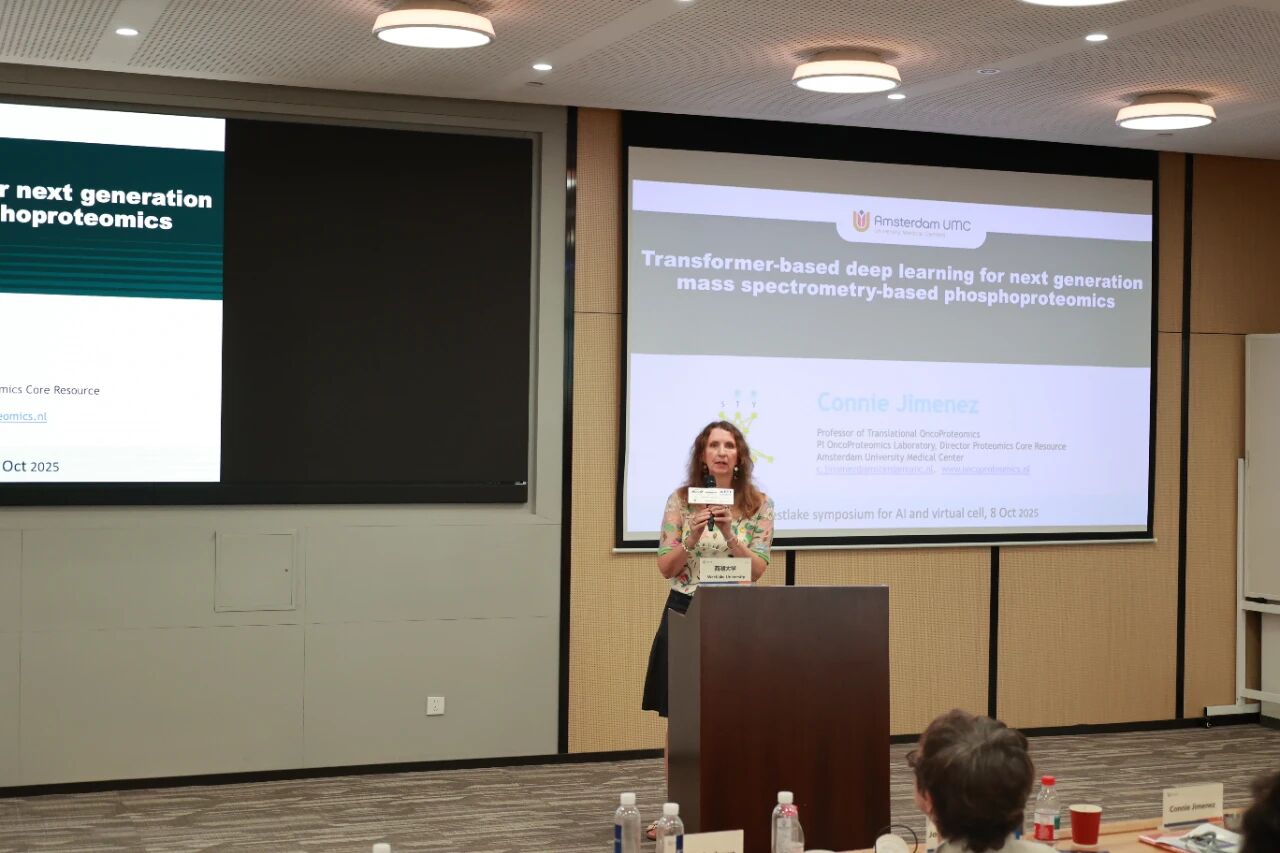
Transformer‑based deep learning for next generation mass spectrometry‑based phosphoproteomics

Since founding and leading the OncoProteomics Laboratory at Amsterdam University Medical Center in 2006, Professor Connie Jimenez has been dedicated to integrating mass spectrometry‑based proteomics with AI. Her presentation demonstrated how Transformer‑based deep learning models enhance data analysis in DIA‑MS phosphoproteomics, including the development and optimization of prediction models for retention time, MS/MS, and ion mobility. Her team trained models on large‑scale datasets and released the open‑source packages aiproteomics and iq 2.0, substantially improving the speed and accuracy of protein quantification algorithms. The research supports large‑scale precision oncology signaling pathway analysis and provides new approaches for personalized cancer therapy.

Jingyi Hou, Editor
EMBO Press
Behind the scenes of EMBO Press

Jingyi Hou is a Senior Scientific Editor at EMBO Press, handling EMBO Molecular Medicine and Molecular Systems Biology. She highlighted the strong emphasis of these two journals on systems biology, computational modeling, AI, and translational medicine, and detailed their efficient author‑friendly services, such as “pre‑protection,” transferable peer review, and rapid publication workflows. The examples of papers cited in her talk, including single‑cell proteomics and the perturbation prediction AI model “PerturbNet,” illustrate the pivotal role of EMBO Press in advancing cutting‑edge research areas such as AI proteomics and virtual cells, with the platform actively supporting innovation and exchange in this field.

Prof. Bernd Wollscheid
ETH Zurich
Virtual reality: how ML/AI‑based strategies can inform about the functional roles of surfaceome protein communities

Professor Bernd Wollscheid’s presentation explored how machine learning and artificial intelligence can be used to interpret the functional architecture of the surfaceome—dynamic communities of proteins on the cell surface, over 80% of which remain unexplored. He introduced technologies such as Cell Surface Capturing (CSC) and LUX‑MS for mapping surface proteins and their nanoscale interactions. The machine learning tool SURFY predicts surfaceome proteins, while LUX‑MS enables light‑controlled, time‑resolved analysis of protein communities. Applications include analysis of cancers (e.g., lymphoma, lung cancer), studies of neuronal development, and dissection of immunotherapy‑induced synapses. The ultimate goal is to construct a virtual “Google Street View” map of the surfaceome to identify novel therapeutic targets, a vision to be realized through collaboration and integration of large‑scale proteomic data.

Prof. Ben Collins
Queen’s University Belfast
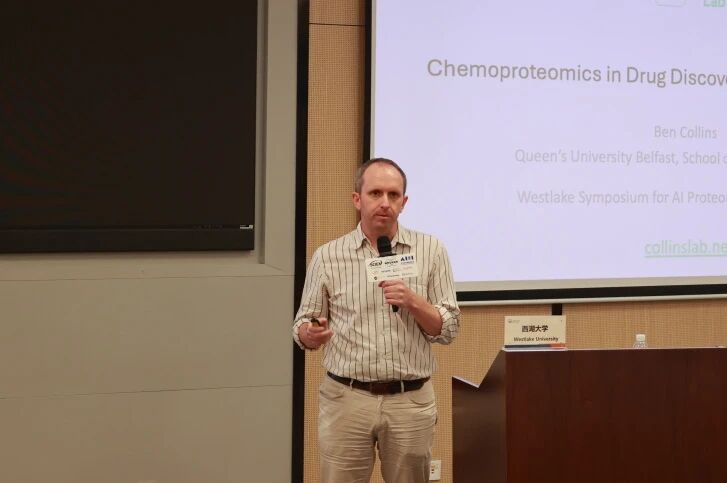
Chemoproteomics in drug discovery – opportunities for AI?

Professor Ben Collins discussed the applications of chemoproteomics in drug discovery and the opportunities for AI integration. He focused on two emerging drug modalities: targeted protein degradation (PROTAC) and covalent ligands, which hold promise for addressing the challenge of traditionally “undruggable” proteins. The Collins laboratory has developed high‑throughput sample preparation and data acquisition workflows that enable time‑ and concentration‑dependent assessment of protein degradation. He showcased dual global proteomics and activity‑based probe techniques that simultaneously measure protein abundance and covalent ligand binding in a single experiment. Regarding AI applications, he explored the potential of protein–ligand structure prediction models such as AlphaFold3 and Boltz‑2, proposing that chemoproteomic datasets could be used to train affinity prediction models that capture biological state‑dependent ligand binding, thereby providing richer training data for AI‑driven drug discovery.

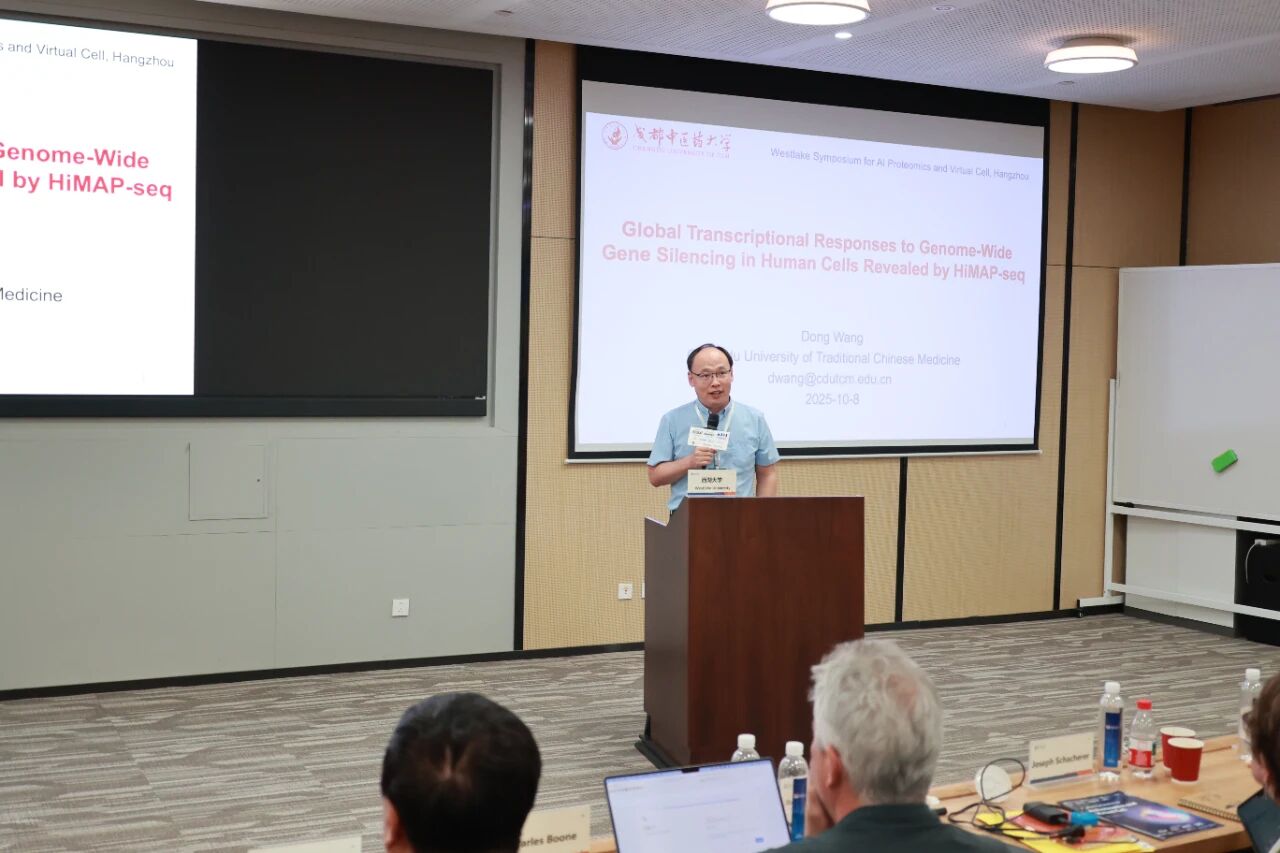
Prof. Dong Wang
Chengdu University of Traditional Chinese Medicine
Generating large‑scale perturbation‑induced transcriptome data for drug discovery

Professor Dong Wang’s presentation focused on leveraging high‑throughput transcriptomic technologies to advance drug discovery. He introduced the HTS² and the next‑generation HiMAP‑seq technologies developed by his team, both of which enable the analysis of thousands of gene expressions across thousands of samples in a single assay, with high sensitivity, high reproducibility, and low cross‑contamination. Based on these, they constructed the CIGS database, encompassing approximately 320 million gene expression events from over 13,000 compounds in two cell lines, and demonstrated its applications in identifying novel BRD4 inhibitors (e.g., luteolin) and anti‑ferroptosis compounds (e.g., 2,4‑dihydroxybenzaldehyde). This resource provides a powerful data foundation for drug development in diseases with unclear mechanisms and for studying active ingredients in traditional Chinese medicine, while also facilitating AI‑driven drug discovery.

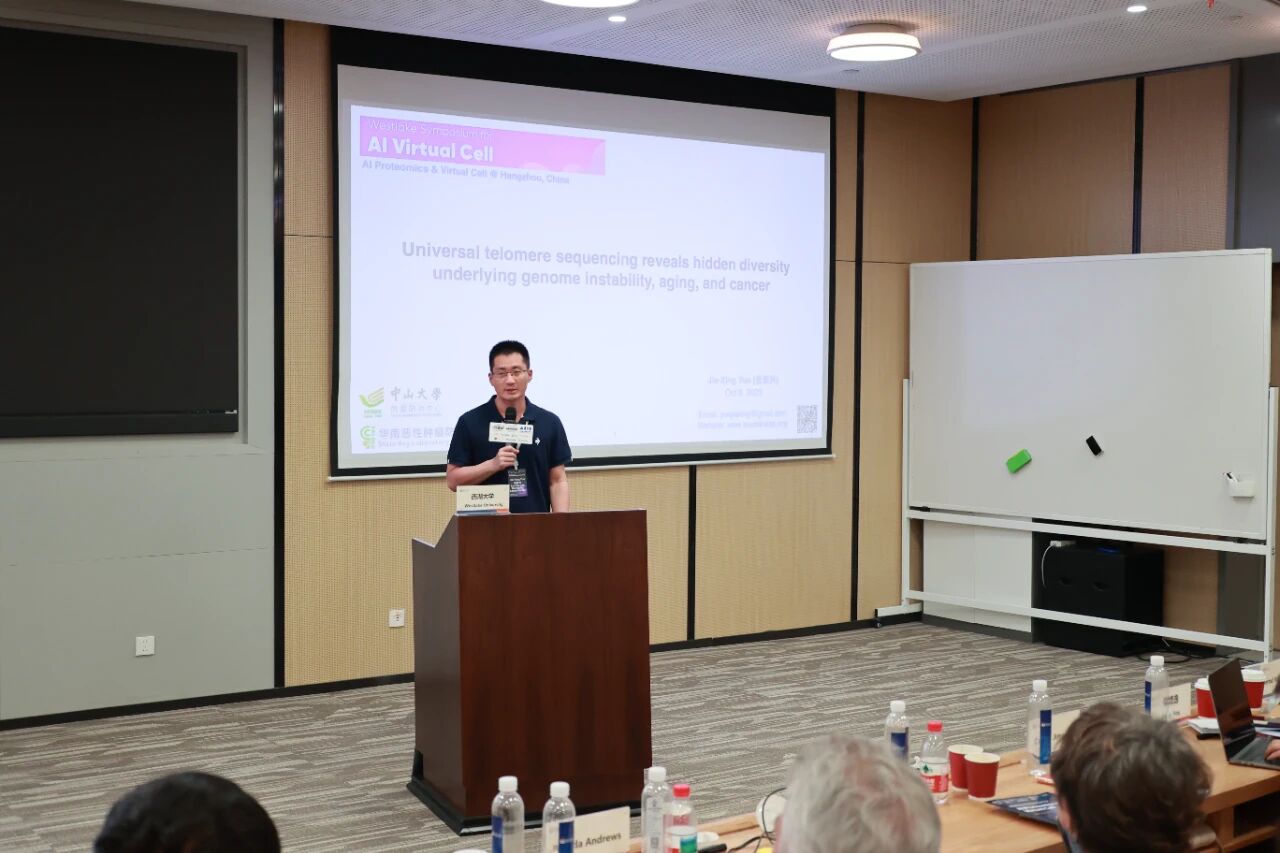
Prof. Jiaxing Yue
Sun Yat‑sen University
Universal telomere sequencing reveals hidden diversity underlying genome instability, aging, and cancer

In this presentation, Professor Jiaxing Yue discussed that telomere instability plays a critical role in the development of aging and cancer; however, existing sequencing methods have inherent limitations in detecting telomeric regions. He presented a universal telomere‑targeted sequencing method, Termin‑Seq, which is applicable to all eukaryotes and demonstrated excellent sequencing performance across multiple species including human, yeast, and mouse.

Furthermore, Termin‑Seq effectively captures telomere‑related genetic perturbations. Application to aging studies in mice revealed significant telomere shortening with age; further investigation in cancer cell lines uncovered telomeric genome instability that is closely associated with tumor drug resistance. Notably, addition of telomerase inhibitors significantly alleviated resistance to osimertinib in lung cancer treatment.

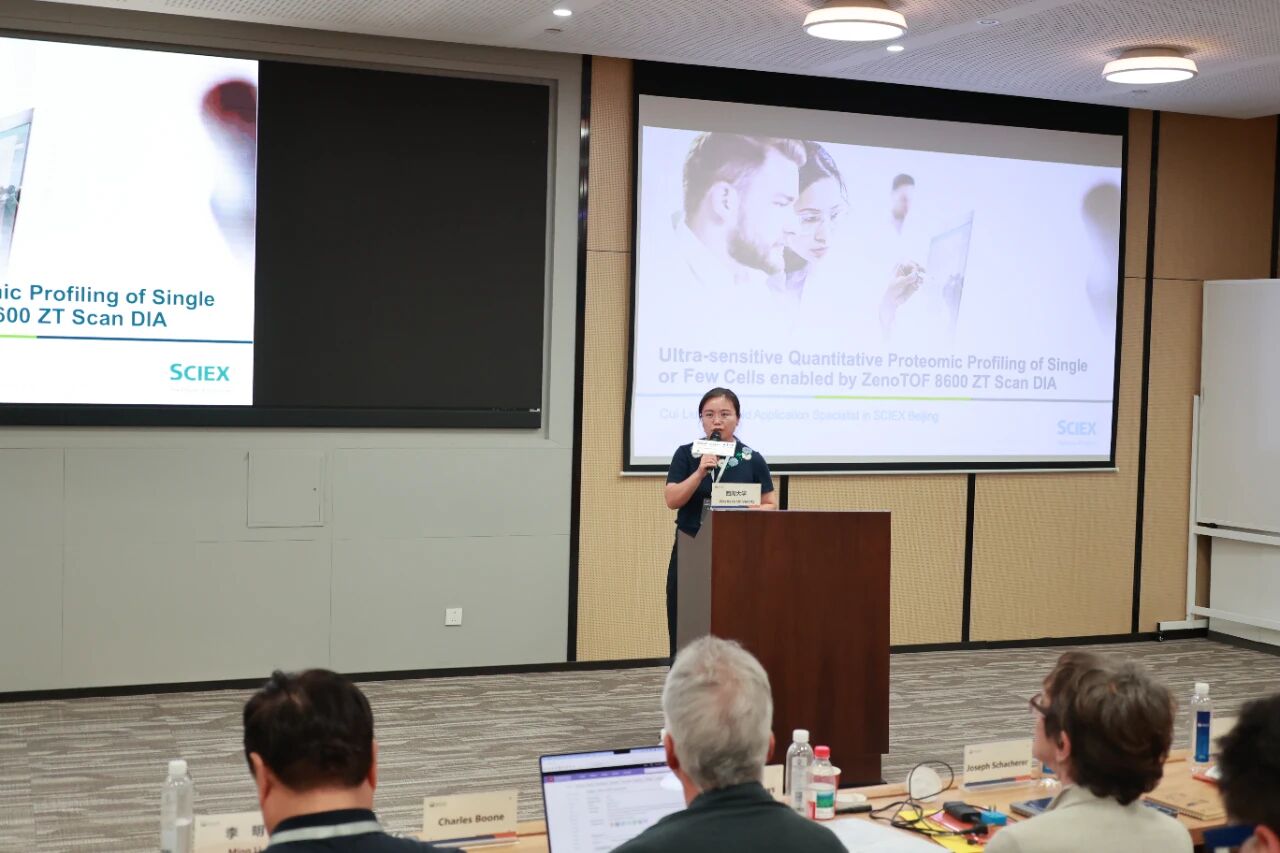
Dr. Cui Liu
SCIEX
Ultra‑sensitive quantitative proteomic profiling of single or few cells enabled by ZenoTOF 8600 ZT Scan DIA

Dr. Cui Liu highlighted the high‑performance SCIEX ZenoTOF mass spectrometry system, which provides mature solutions for spatial proteomics. The latest‑generation ZenoTOF 8600, equipped with ZT Scan 2.0 technology, enables ultra‑sensitive proteomic analysis at the single‑cell and few‑cell levels.

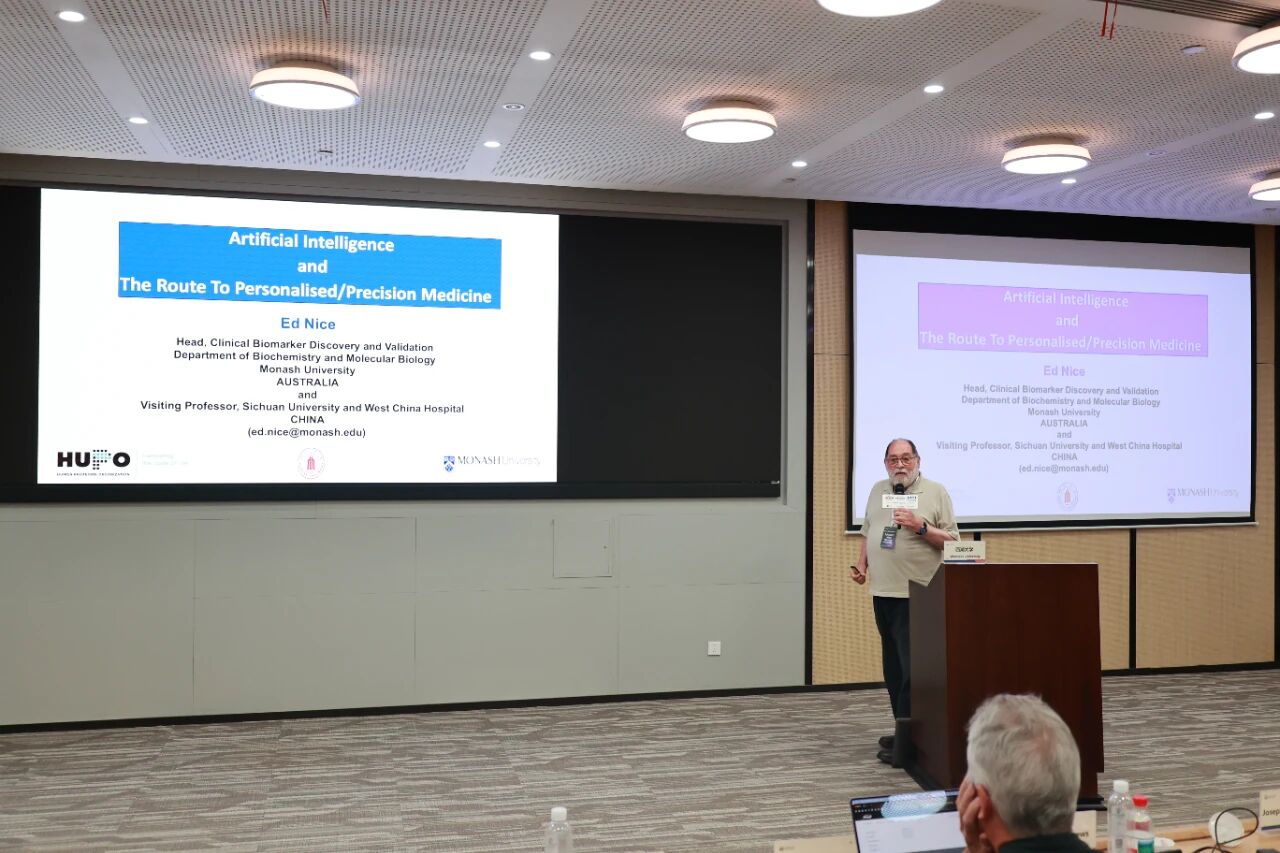
Prof. Edouard Nice
Monash University
AI and the route to personalised / precision medicine

Professor Ed Nice summarized the rapid advances in omics technologies in recent years, particularly noting that the human genome and proteome have now been mapped to over 90% completion. Among these developments, the application of AI in personalized medicine has attracted widespread attention and has spurred interdisciplinary international collaborations. He discussed how AI will reshape the field of pathology and the responsibilities that pathologists should assume. He also provided an overview of the personalized medicine market, emerging directions in proteomics, and the potential difficulties in achieving precision medicine through artificial intelligence.

Session 3: AI

Prof. Yasset Perez‑Riverol
EMBL’s European Bioinformatics Institute
Quantms ecosystem: data, formats and algorithms to generate AI‑ready proteomics datasets

Professor Yasset Perez‑Riverol systematically outlined the construction goals and key technical approaches of the Quantms ecosystem. He pointed out that current proteomics data still exhibit significant disparities in scale, format, and quality control, which greatly limit their usability in artificial intelligence models. To address this, Quantms employs standardized data structures, scalable algorithmic modules, and automated processing workflows to efficiently convert raw mass spectrometry data into “AI‑ready” structured inputs. Professor Perez‑Riverol elaborated on the strategic optimizations in the ecosystem’s core components, including data cleaning, retention time calibration, feature extraction, and quantitative consistency control, while emphasizing the critical role of format unification in enhancing data reusability and cross‑project interoperability. In addition, Quantms supports seamless integration with various downstream machine learning frameworks, providing a highly flexible and reproducible analytical platform for proteomics research. This presentation offered important technological pathways and practical references for the deep integration of AI and proteomics.

Prof. Chris Sander
Harvard Medical School
Machine learning for proteomic perturbation biology

Professor Chris Sander articulated the vision of “perturbation biology”: to build computable and predictable virtual cell models through systematic perturbation of cells and measurement of multidimensional responses. He noted that the challenge lies in moving beyond single‑protein measurements, integrating temporal data and domain knowledge, and redefining cellular processes in a data‑driven manner. His team employs AI methods—such as protein structure prediction and design models like EVcouplings—to guide enzyme engineering and drug design (e.g., target flexibility, combination therapies), and extends these approaches to disease prevention, for instance using electronic health records to predict pancreatic cancer risk. The ultimate goal is to construct multi‑scale executable models ranging from cells to tissues and organs, enabling precision medicine that moves from prediction to intervention.

Dr. Arunima Singh, Editor
Nature Methods
Publishing in Nature Methods and pursuing an editorial career

Dr. Arunima Singh, Senior Editor at Nature Methods, delivered an insightful presentation that detailed the journal’s primary focus areas, editorial team composition, and article types. She further shared the key elements editors consider during manuscript evaluation, including topic, novelty and significance, practical value and generality, validation, and application, and systematically explained the writing techniques for Methods articles. Dr. Singh emphasized that Nature Methods’ core focus is on the method itself—authors should “make the method the star.” She advised researchers to place their work in a broader disciplinary context, not only outlining the state‑of‑the‑art but also highlighting how their method goes beyond existing technologies, while providing direct comparisons and demonstrating concrete applications. She also reminded that reproducibility of methods and accessibility to editors and reviewers are equally crucial. Moreover, Dr. Singh introduced the daily work of a professional editor and the experience and skills required to become a scientific journal editor, such as improving writing and reading abilities, staying informed about broad research trends, and networking with editors. Her sharing provided valuable guidance and inspiration for researchers aspiring to submit to Nature Methods or pursue careers in scientific publishing.

Prof. Henning Hermjakob
European Bioinformatics Institute, EMBL‑EBI
Reactome 4: pathways reimagined – dynamic visualisation and intelligent chat

Image

Professor Henning Hermjakob introduced the major updates in version 4 of the Reactome database, highlighting the newly launched dynamic pathway visualization and the integrated intelligent chat assistant, designed to enhance user interaction and analytical efficiency. The new Reactome supports dynamic reconfiguration of pathway diagrams and automatic tracing of upstream and downstream signal propagation paths, significantly enriching the depth and interpretability of biological pathway data visualization. Live demonstrations showed how users can interact with the platform through natural language queries to rapidly locate key molecular events or functional modules. These iterative upgrades not only further consolidate Reactome’s status as a high‑quality open database but also make it a powerful intelligent platform supporting systems biology research.

Prof. Wout Bittremieux
University of Antwerp
A living benchmark to advance AI in proteomics de novo peptide sequencing

Image

Professor Wout Bittremieux presented a platform entitled “A Living Benchmark to Advance AI in Proteomics De Novo Peptide Sequencing.” This platform provides 29 benchmark datasets containing a total of 6.4 million annotated spectra, covering multiple species (human, animal, plant, microorganism), various enzymatic digestion methods, and different types of mass spectrometry instruments. Application scenarios include immunopeptidomics, metaproteomics, single‑cell proteomics, antibody research, and viral post‑translational modifications (PTMs). Ground‑truth PSMs were obtained through three mainstream proteomics search engines. The platform simultaneously integrates runtime environments and parameter settings for 18 de novo sequencing tools, enabling systematic comparison of predicted PSMs against true PSMs and calculation of evaluation metrics at both peptide and amino acid levels. Notably, these de novo prediction tools are continuously updated, keeping the platform dynamically evolving. Overall, this platform provides a powerful, continuously updated standardized benchmarking system for AI‑based de novo peptide sequencing and represents a significant contribution to advancing de novo sequencing methodologies.

Prof. Wilson Goh Wen Bin
Nanyang Technological University
Harnessing AI and proteomics for mental health diagnostics and prognostics: Towards scalable care in Singapore

Image

Professor Wilson Goh’s presentation introduced a research project leveraging AI and proteomics to improve mental health diagnostics and prognosis, aiming to achieve scalable care in Singapore. He highlighted the global mental health crisis and the urgent need for precision biological diagnostics and early intervention, especially for psychosis. The study is based on the LYRIKS research cohort, which collects complex longitudinal data (clinical, neuropsychological, multi‑omics). The core approach involves developing sophisticated data‑centric AI algorithms (such as PROJECT, MVIDIA, OPDEA) to analyze proteomic data. These methods robustly handle missing data, integrate multi‑view information, and identify biologically relevant protein signatures that can predict conditions such as schizophrenia and drug resistance. The ultimate goal is to establish a national mental health proteomics platform that combines these tools with electronic health records and digital health data, thereby enabling early screening, risk stratification, and personalized treatment from community to clinical settings.

Prof. Ge Gao
Peking University
Towards a causality‑oriented Cell in silico: From prediction to design

Image

Professor Ge Gao presented a vision of constructing a “causality‑oriented in silico cell,” aiming to move from prediction to design. He noted that although multi‑omics technologies have revealed cellular heterogeneity and the complexity of gene regulation, challenges remain in deciphering the underlying causal hierarchical relationships. His team advocates combining massive omics data with cutting‑edge AI/machine learning methods to build a “causality‑oriented generative model” based on data‑driven and knowledge‑guided principles. This approach would bridge the gap from data to cognition, ultimately realizing a “cell regulatory language model” that can simulate and rationally design cellular regulatory behaviors in silico.

Dr. Allegretti Yuan Hu, Editor
Cell Systems
Behind the scenes at Cell Press

Image

This presentation, titled “Behind the Scenes at Cell Press,” was delivered by Dr. Allegretti Yuan Hu, Scientific Editor at Cell Systems, and provided a comprehensive overview of Cell Systems and its operational model. As an Elsevier publication, Cell Systems is part of a broad portfolio of journals covering life, physical, clinical, and environmental sciences. The talk detailed the editorial criteria and processes for manuscript evaluation, including scope, significance, and methodological rigor. It also highlighted several author services, such as pre‑submission inquiries, manuscript transfers, and an innovative multi‑journal submission system designed to improve submission efficiency and offer authors more choices. Additionally, practical advice was provided on optimizing abstracts, figures, and method descriptions to facilitate publication in high‑impact journals like Cell Systems. The journal’s commitment to “rigorously understanding any biological phenomenon through quantitative, inference‑based approaches” and computational models aligns closely with the research paradigm of building AI‑driven cell models, making Cell Systems an ideal venue for publishing work in this cutting‑edge field.

Prof. Peijie Zhou
Peking University
On the mathematical and algorithmic considerations of AI virtual cell construction

Image

Professor Peijie Zhou’s presentation addressed the future of AI Virtual Cells (AIVC), questioning the current reliance on foundation models inspired by large language models. He argued that AIVC development should follow three key principles. First, foundation models using semantic vectors may not be a complete solution, as recent benchmarks indicate they often fail to outperform traditional methods, especially in generative tasks such as perturbation prediction. Second, AIVCs should incorporate biological priors rather than functioning as pure black boxes—explicitly modeling processes such as cell cycle, adaptive changes, and growth dynamics can improve accuracy. He advocated for “biological transport” instead of simple optimal transport, using differential equations combined with neural networks to balance interpretability and predictive power. Finally, AIVCs represent a paradigm shift toward active learning, where models guide experimental design rather than passively analyzing data. He also suggested that diffusion models may outperform language model approaches in data‑limited scenarios, and introduced simulation‑free methods like flow matching for efficient generative modeling. The ultimate vision is to create closed‑loop systems that combine generative capabilities, mechanistic understanding, and active experimental guidance.

Prof. Siyi Sun
Fudan University
A controllable foundation model for general and specialized biomolecular structure prediction

Image

Professor Siyi Sun introduced IntelliFold, a controllable foundation model that achieves breakthroughs in both general and specialized biomolecular structure prediction. He first reviewed the development of peptide de novo sequencing and protein structure prediction, and noted the challenges current models face in complex scenarios such as antibody‑antigen and protein‑nucleic acid complexes, as evaluated under the FoldBench benchmark. He then highlighted the core advantages of the IntelliFold model: support for high‑precision prediction across multiple modalities including proteins and nucleic acids, ultra‑fast and memory‑efficient computation, and the ability to accurately predict critical structures such as allosteric sites through custom constraints.

Dr. Han Wen
Beijing Institute of Scientific Intelligence / Peking University
AIVC enabled by multimodal and dynamical foundation model

Image

Dr. Han Wen introduced the team’s newly developed large‑scale nucleic acid pre‑training model, Uni‑RNA. This model demonstrates outstanding performance in RNA structure prediction and functional annotation, significantly enhancing the modeling capacity for nucleic acid‑level omics data. He further explored the potential applications of large‑scale foundation models and neural network dynamics in life science omics research, particularly in complex system modeling and virtual experimental simulations. Building on this, he proposed that AIVC, enabled by multimodal and dynamical foundation models, could integrate heterogeneous data sources including transcriptomics, proteomics, spatial omics, and microscopy imaging to construct a unified cellular state representation framework with temporal and contextual awareness. He emphasized that the establishment of AIVC would overcome the limitations of static cell modeling, enabling researchers to more realistically simulate cellular responses under various stimuli and providing a more intelligent computational platform for mechanistic exploration, drug screening, and disease modeling.

Dr. Daniel Hornburg
Bruker
Every cell counts, every peptide matters: From large scale studies to smallest single cells, recent advancements in mass spectrometry‑based proteomics

Image

Dr. Daniel Hornburg systematically presented the technical characteristics of the timsTOF series instruments, highlighting their outstanding robustness, detection depth, and sensitivity, which enable large‑scale biological discovery and the accumulation of high‑quality proteomic data. This technology accurately discriminates among different peptide types across multiple dimensions, including enzymatic peptides, immunopeptides, glycopeptides, ABPP‑based activity‑based probe peptides, and chemical background signals. He also detailed the application scenarios for different timsTOF models: at the single‑cell level, the timsUltra AIP technology effectively acquires spatial single‑cell proteomics data by achieving detection rates of 500 single cells per second within a 30,000 µm² region; while the TimsOmni platform focuses on post‑translational modifications and proteoform analysis, significantly enhancing immunopeptide discovery capabilities.

Dr. Yuxia Jiao, Editor
Genomics, Proteomics & Bioinformatics
Publishing with GPB, a premium journal in the omics field